Sponsored Content Placement
Book Recommendations
The Ultimate Sensory Headphone Guide for Autism & ADHD: ANC vs. Ear Defenders vs. Acoustic Filters
self_improvementTake A Moment
Why do expensive noise-canceling headphones make some autistic kids nauseous? Discover the biomechanics of cranial clamping force, the ANC cabin-pressure trap, and our tested breakdown of passive earmuffs, acoustic plugs, and lightweight headphones.
You drop $350 on top-rated, industry-leading active noise-canceling headphones. You bring them home with immense hope, slide them onto your autistic or sensory-sensitive child’s head, and expect an immediate sigh of relief.
Instead, within twelve seconds, your child rips them off, screams in distress, or complains that their ears feel "full of water" and dizzy.
As a systems engineer who has dissected acoustic wave physics and lived with high auditory sensitivity my entire life, I see parents make this exact expensive mistake every week. Evaluating audio gear for a neurotypical commuter on a flight is fundamentally different from armoring a hypersensitive nervous system against sensory trauma.
Acoustic defensiveness is not a behavioral preference. (To understand why sound causes immediate physical pain, read our guide on Why Autistic Kids Cover Their Ears.) Here is the exact architectural breakdown of why most commercial headphones fail, and how to select the precise audio gear your child’s brain actually requires.
Active Noise Cancellation (ANC) relies on tiny exterior microphones that capture ambient sound waves and instantly generate an exact inverted sound wave (phase reversal). When the positive and negative sound waves collide inside the ear cup, they cancel each other out.
To a neurotypical brain, this registers as pure, peaceful silence. But to a brain with sensory processing differences or Eustachian tube sensitivities, that low-frequency anti-phase wave creates an artificial pressure differential against the eardrum—often called "ANC cabin pressure." It can trigger immediate inner-ear disorientation, nausea, vestibular vertigo, and a claustrophobic panic response.
If your child violently rejects high-end Sony or Bose ANC headphones, their nervous system is not being stubborn; their vestibular system is signaling an acute pressure emergency.
The second major reason sensory-sensitive kids refuse ear protection is mechanical clamping pressure. Standard industrial shooting muffs or cheap children's earmuffs rely on stiff metal spring steel bands to create an airtight seal, exerting upwards of 4 to 5 Newtons of pressure against the temporal bones.
In kids with cranial tactile defensiveness, this relentless pressure compresses the cranial sutures and trigeminal nerve pathways, sparking a throbbing tension headache within 15 minutes. A sensory headphone MUST distribute weight evenly across a padded headband with low, ergonomic lateral tension.
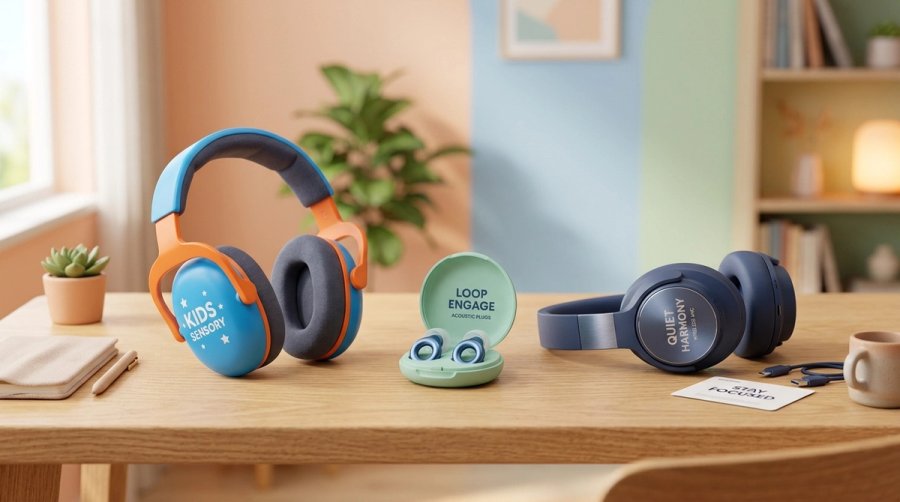
No single headphone solves every sensory problem. You must match the gear to the specific acoustic environment:
Best for: School fire drills, monster truck rallies, fireworks, loud gymnasiums, and public parades. Passive muffs contain thick acoustic foam that mechanically absorbs sound without batteries, microphones, or cabin pressure.
Best for: Classrooms, restaurants, family gatherings, and grocery shopping. These do not block sound; they channel acoustic waves through tuned silicone geometry to soften harsh peak frequencies while keeping spoken speech crystal clear.
Best for: ADHD focus, homework sessions, airplane travel, and autistic teens who prefer listening to brown noise or ambient soundtracks. You must select models renowned for minimal cabin pressure and ultra-lightweight frames.
Never spring new headphones on your child in the middle of a chaotic airport or supermarket. Follow our low-demand desensitization runway at home:
1. The Tactile Exploration: Let the child hold, squish the ear cushions, and play with the headphones during favorite calm activities without putting them on.
2. Neck Rest Resting: Have them wear the headphones loosely draped around their neck while watching a favorite animated movie so their skin gets accustomed to the weight.
3. The Micro-Session: Place them over one ear for 30 seconds, celebrating agency and letting the child take them off whenever they choose.
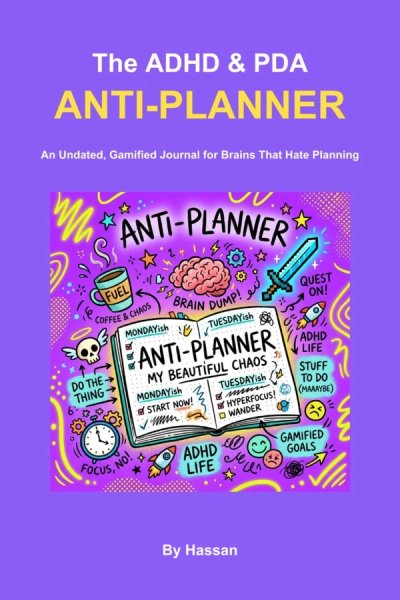
Pairing acoustic protection with visual routines is the single fastest way to unlock executive function. Explore The ADHD & PDA Anti-Planner to eliminate morning task paralysis, and check out the Emotion Monsters Series to give your child a joyful, non-judgmental way to navigate sensory emotions.
 Instant PDF
An Undated, Low-Demand Gamified Planner & Focus Journal for Neurodivergent Minds
Carefully curated products for a sensory-friendly environment.

BEST FOR FOCUS
Providing 5lbs of gentle pressure to help children stay grounded during long reading sessions.

SENSORY FRIENDLY
Flicker-free technology with adjustable color temperatures to prevent eye strain.
Get our monthly guide on sensory-aware parenting and neuro-inclusive home design delivered straight to your sanctuary.
Respecting your inbox and your peace of mind.
No comments yet. Be the first to share your thoughts!
Your email address will not be published. Required fields are marked *