Hassan Gul
Children's Book Author & Sensory AdvocateFather, children's book author, and advocate for neurodivergent families. Creator of the SensoryKidsBooks series — magical stories designed to help every unique mind feel safe, understood, and celebrated.
edit_documentArticles by Hassan Gul


Pathological Demand Avoidance (PDA) in Adults: Signs, Masking & Recovery
A comprehensive guide to Pathological Demand Avoidance (PDA) in adults. Discover why ordinary tasks trigger a nervous system threat response and how to recover from PDA burnout.
Read Article arrow_forward
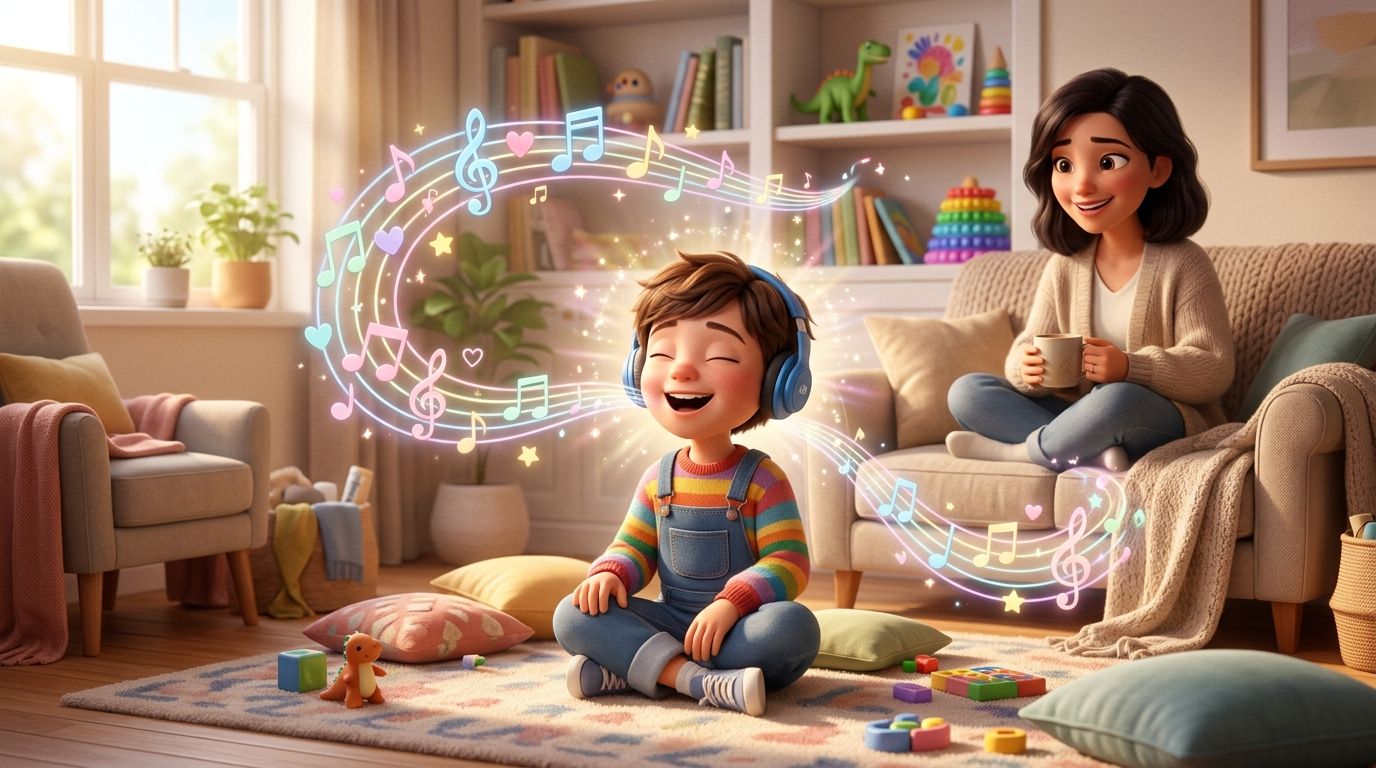
Sensory ProcessingWhy Does My Child Cover Their Ears? A Guide to Auditory Sensory Overload
A parent's guide to understanding why autistic children cover their ears. Explore auditory hypersensitivity, sensory overload, and the best ways to provide low-demand support.
Read Article arrow_forward
Sensory ProcessingPicky Eating vs. Pediatric ARFID: How to Spot Sensory Food Aversion & Support Your Child
A parent's guide to understanding the difference between Picky Eating and Pediatric ARFID. Learn the 3 subtypes of ARFID, sensory food aversion signs, and a 5-step low-demand food exploration ladder.
Read Article arrow_forward
Sensory ProcessingWhy Do Autistic Kids Script? Delayed Echolalia, Movie Quotes & Gestalt Language Guide
A parent guide to understanding autistic scripting, delayed echolalia, and Gestalt Language Processing (GLP). Discover why kids recite movie lines and how to decode their meaning.
Read Article arrow_forward
Sensory ProcessingAutism Burnout in Children & Teens: Hidden Signs, Causes, and the 4-Step Recovery Plan
A comprehensive guide to understanding autism burnout in children and teens. Discover why skill regression occurs, how burnout differs from depression, and a 4-step low-demand recovery protocol.
Read Article arrow_forward
Sensory ProcessingTop 7 Noise-Canceling Headphones for Autism & Sensory Overload (Kid-Tested Review)
A parent-tested review of the top 7 noise-canceling headphones and ear defenders for autism and auditory sensory processing disorder. Compare Puro Sound Labs, Loop, 3M Peltor, and Sony.
Read Article arrow_forward
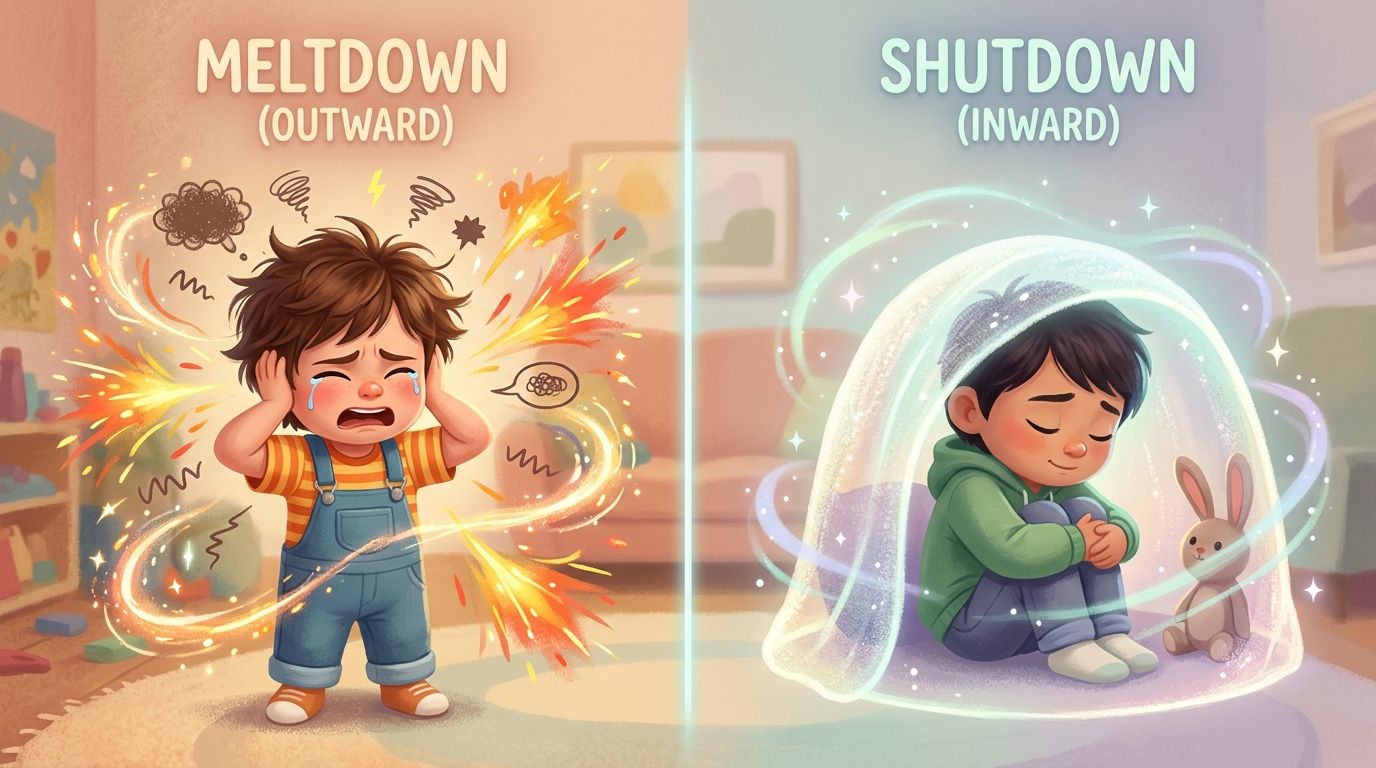
Sensory ProcessingAutistic Shutdowns vs. Meltdowns: How to Spot the Difference & Provide Low-Demand Support
Learn the crucial differences between autistic shutdowns vs meltdowns. Discover why shutdowns are not defiance, how to recognize the freeze state, and 5 low-demand recovery steps.
Read Article arrow_forward
10 Budget-Friendly Sensory Room Ideas for Home (Build a Calm Space Under $50)
Explore 10 budget-friendly sensory room ideas for home. Learn how to build an effective calm-down corner for under $50 using DIY crash pads, string lights, and sensory bins.
Read Article arrow_forward
Sensory ProcessingVocal Stimming in Autism & ADHD: What It Is, Why Kids Do It, and How to Support
Discover practical, neuro-affirming guidance, sensory regulation strategies, and lived-experience insights on Vocal Stimming in Autism & ADHD: What It Is, Why Kids Do It, and How to Support.
Read Article arrow_forward
Lifestyle & AwarenessCan Cats Be Autistic? Understanding Feline Sensory Issues
While cats cannot be clinically diagnosed with human autism, felines frequently display remarkable sensory sensitivities, routine dependency, and repetitive self-soothing behaviors that mirror human neurodivergence.
Read Article arrow_forward
Lifestyle & AwarenessHow Dogs for Down Syndrome and Autism Therapy Change Lives
Therapy and service dogs provide deep pressure therapy, emotional co-regulation, tethering safety, and unconditional companionship for children with Down syndrome and Autism Spectrum Disorder.
Read Article arrow_forward
Is It a Phase or Autism? Understanding Autistic Traits in 4-Year-Olds
Understanding autistic traits in 4-year-olds involves recognizing sensory sensitivities, parallel play preferences, intense special interests, emotional regulation needs, and communication styles.
Read Article arrow_forward
Language & CommunicationGestalt Language Processing in Autism: Why Your Child Speaks in "Scripts"
Gestalt Language Processing (GLP) is a natural style of language acquisition where children learn speech in whole phrases ('gestalts' or scripts) before breaking them down into individual words.
Read Article arrow_forward
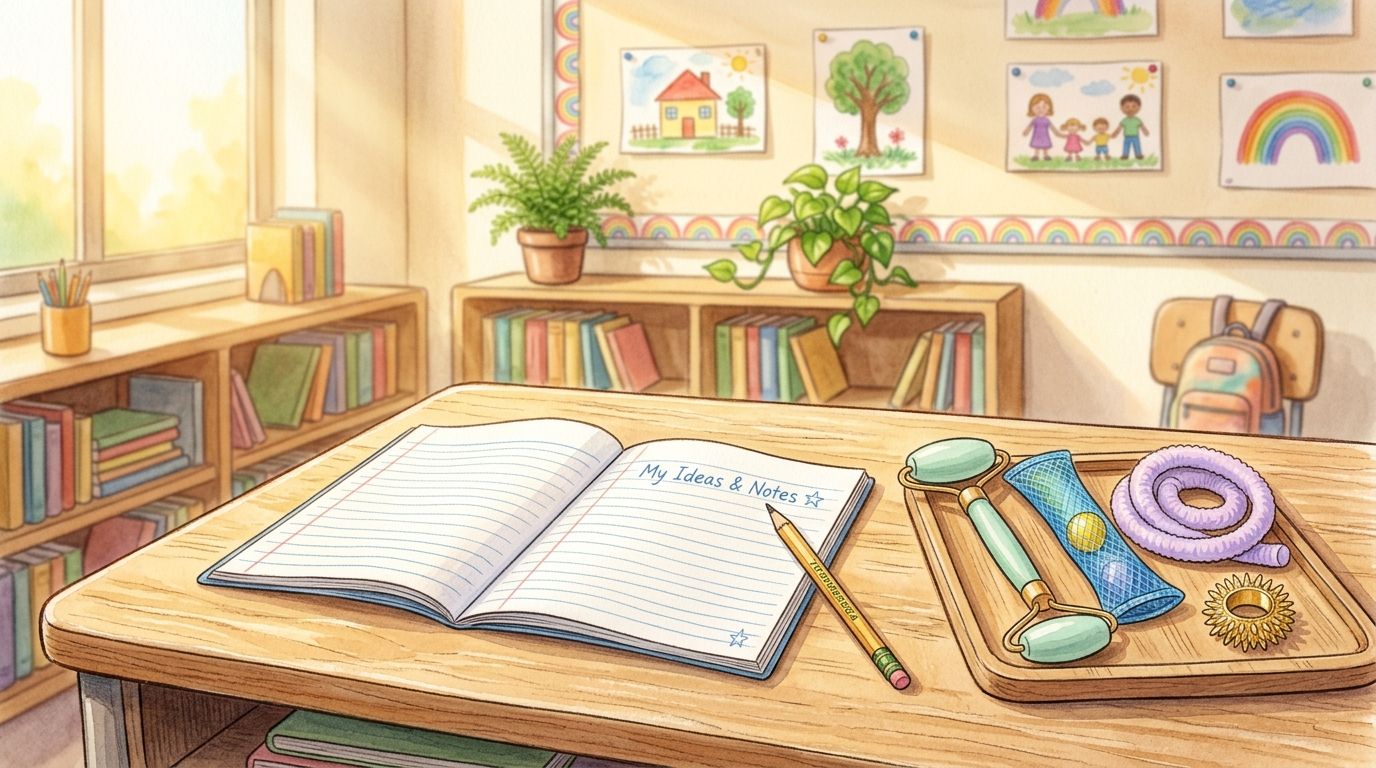
Sensory Tools & CopingThe 10 Best Non-Toxic Fidget Toys for Kids (Safe for Chewing & Sensory Needs)
Non-toxic fidget toys provide safe tactile, proprioceptive, and oral-motor sensory input for neurodivergent kids, helping them filter distracting stimuli and improve executive attention.
Read Article arrow_forward
Early Signs & DiagnosisAutism Symptoms in Newborns: 10 Early Signs Parents Must Know
Early newborn and infant signs of autism often center on sensory processing differences, subtle eye contact variation, unusual responsiveness to sounds, and distinct motor reflexes during the first 12 months.
Read Article arrow_forward
Autism SupportTop 10 Sensory Board Books for Autistic Toddlers (Low-Demand & Tactile)
Sensory board books provide tactile, low-demand interactive reading for autistic toddlers, combining textured touch-and-feel patches, high-contrast visual cues, and durable wipe-clean thick pages.
Read Article arrow_forward
Sensory Processing10 Best Calming Activity Books for 5-Year-Olds (For Sensory Overload)
Discover practical, neuro-affirming guidance, sensory regulation strategies, and lived-experience insights on 10 Best Calming Activity Books for 5-Year-Olds (For Sensory Overload).
Read Article arrow_forward
ADHD SupportWhy Wipe-Clean Workbooks are a Game-Changer for ADHD & Perfectionism
Wipe-clean workbooks remove the fear of making permanent mistakes for ADHD and autistic children, allowing low-pressure re-attempts that build executive function, pencil grip, and confidence.
Read Article arrow_forward
School AdvocacyWhat is a 504 Plan for ADHD & Autism? (A Parent's Survival Guide)
A 504 Plan provides legally binding accommodations—such as sensory breaks, visual schedules, and quiet testing environments—for ADHD and autistic students in public schools.
Read Article arrow_forward
Emotional RegulationNavigating RSD (Rejection Sensitive Dysphoria) in Children with ADHD: A Parent’s Guide
Rejection Sensitive Dysphoria (RSD) is an intense, overwhelming emotional pain triggered by perceived rejection, criticism, or failure in children and adults with ADHD and autism.
Read Article arrow_forward
Sensory Processing16 Things Autistic Kids Must Have (That Survived My Living Room & School)
A 504 Plan provides legally binding accommodations—such as sensory breaks, visual schedules, and quiet testing environments—for ADHD and autistic students in public schools.
Read Article arrow_forward
Emotional Regulation15+ Easy Zones of Regulation Activities for Home (A Parent's Guide)
Zones of Regulation activities help children categorize emotional and energy states into four intuitive colors (Blue, Green, Yellow, Red) and practice body-based calming tools.
Read Article arrow_forward
Pathological Demand AvoidanceDeclarative Language Examples for PDA: Scripts, Swaps, & Free Printables
Gestalt Language Processing (GLP) is a natural style of language acquisition where children learn speech in whole phrases ('gestalts' or scripts) before breaking them down into individual words.
Read Article arrow_forward
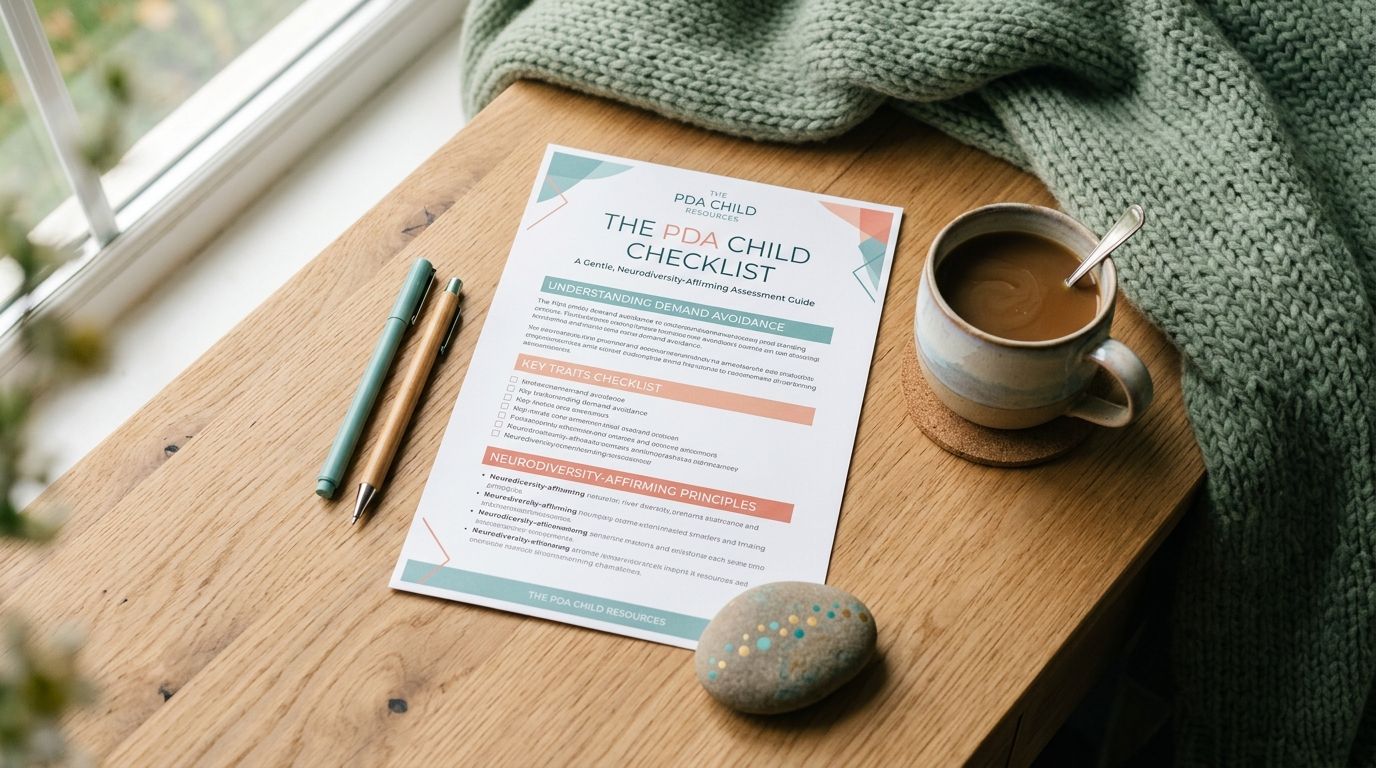
Pathological Demand AvoidanceThe Ultimate Pathological Demand Avoidance Checklist (Real-Life Examples & Free Printable)
The Pathological Demand Avoidance (PDA) checklist outlines real-life autonomic nervous system threat responses to everyday demands, offering low-demand parenting strategies to restore family peace.
Read Article arrow_forward
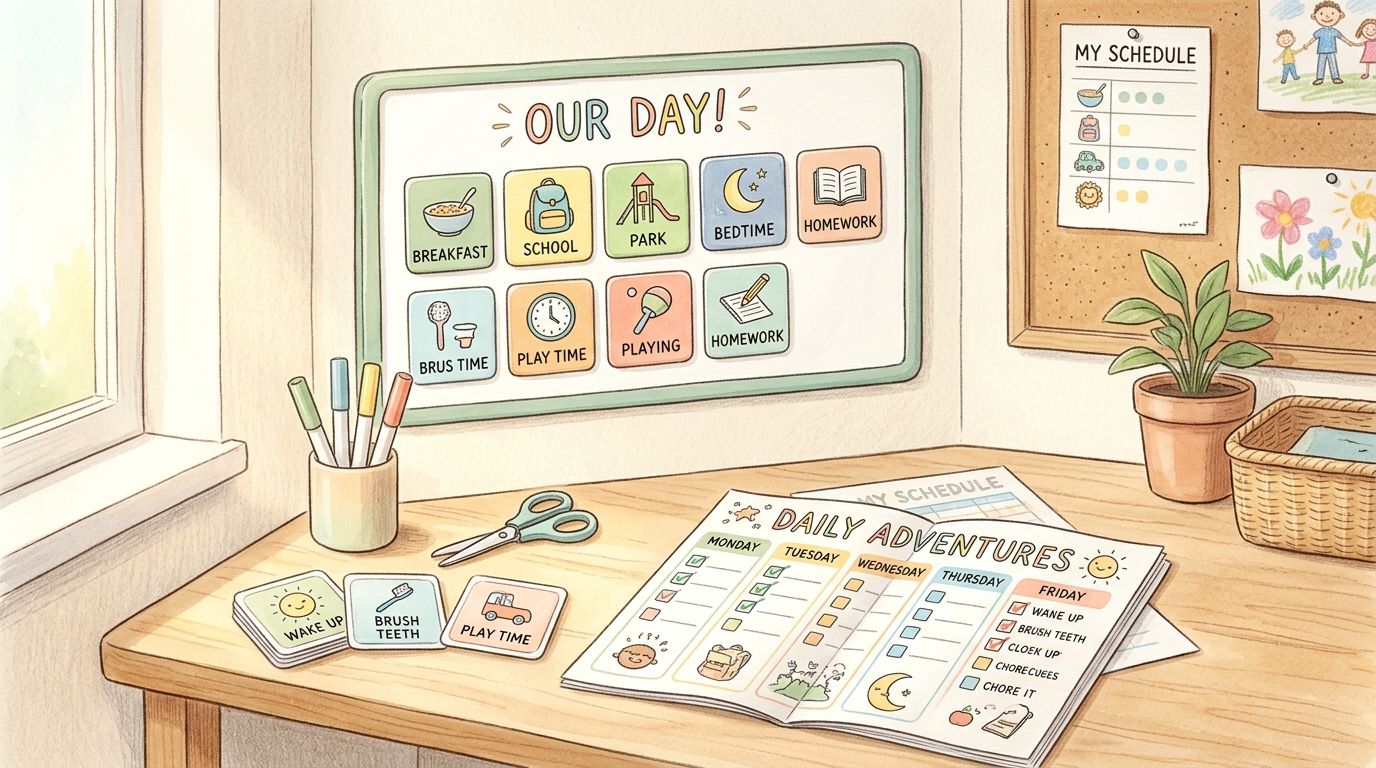
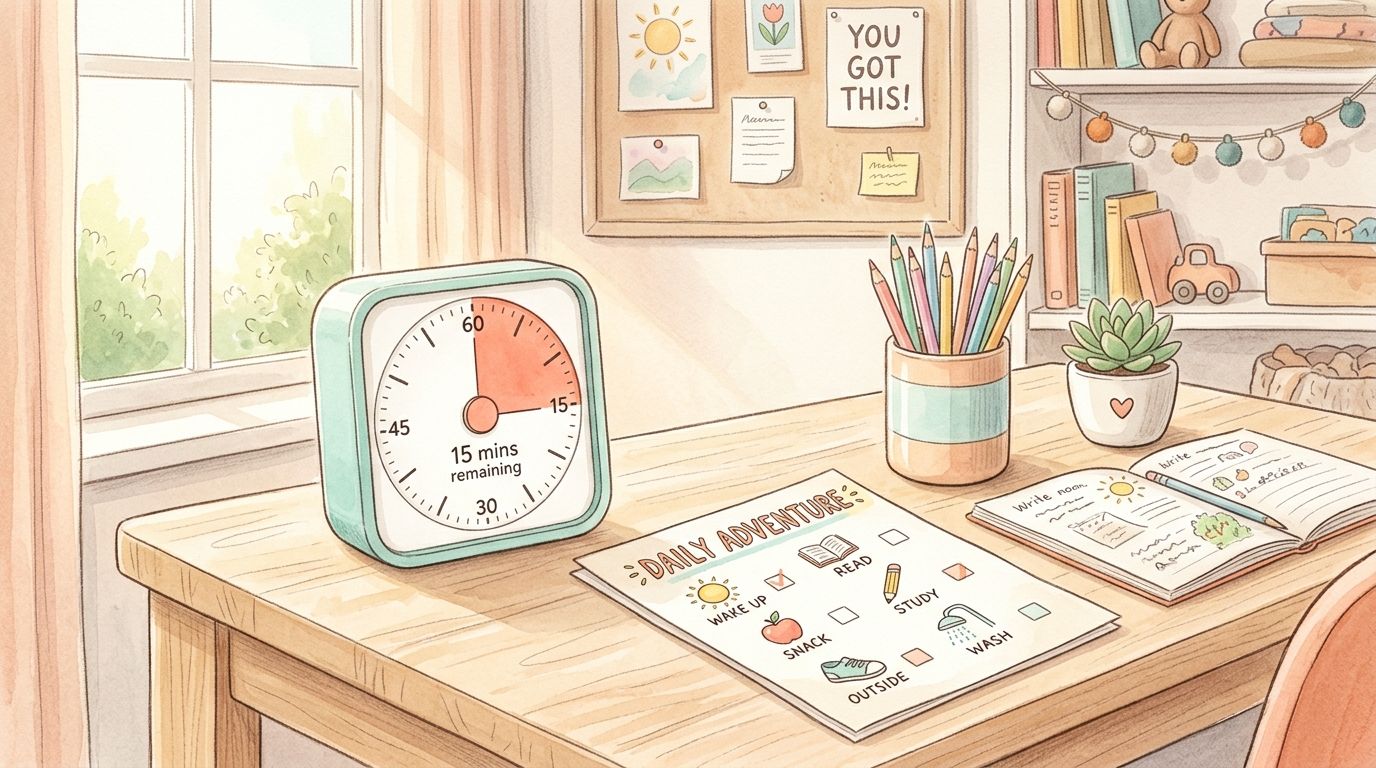
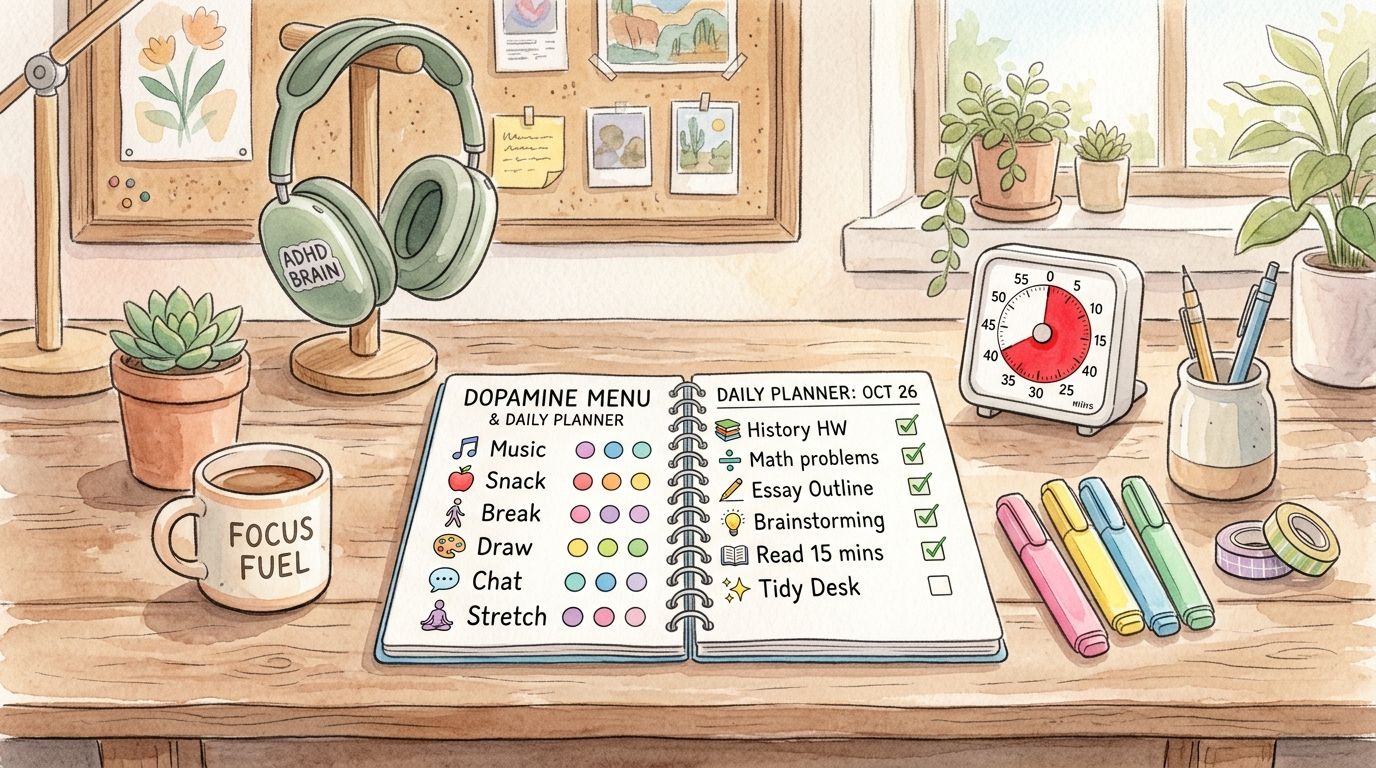
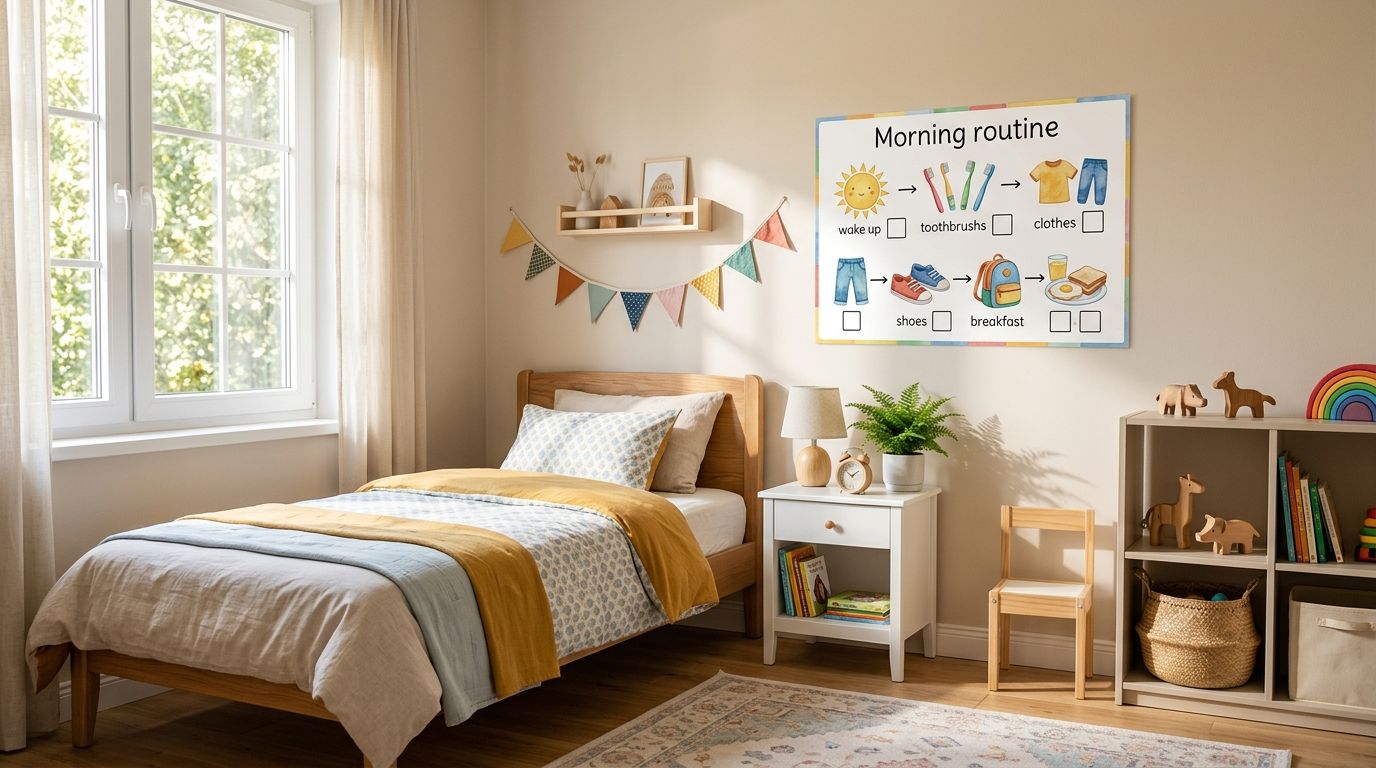
ADHD ResourcesThe Ultimate Printable ADHD Morning Routine Chart for Kids
A printable ADHD morning routine chart breaks overwhelming multi-step routines into visual, low-demand chunks with checkboxes that stimulate natural dopamine and conquer executive dysfunction.
Read Article arrow_forward
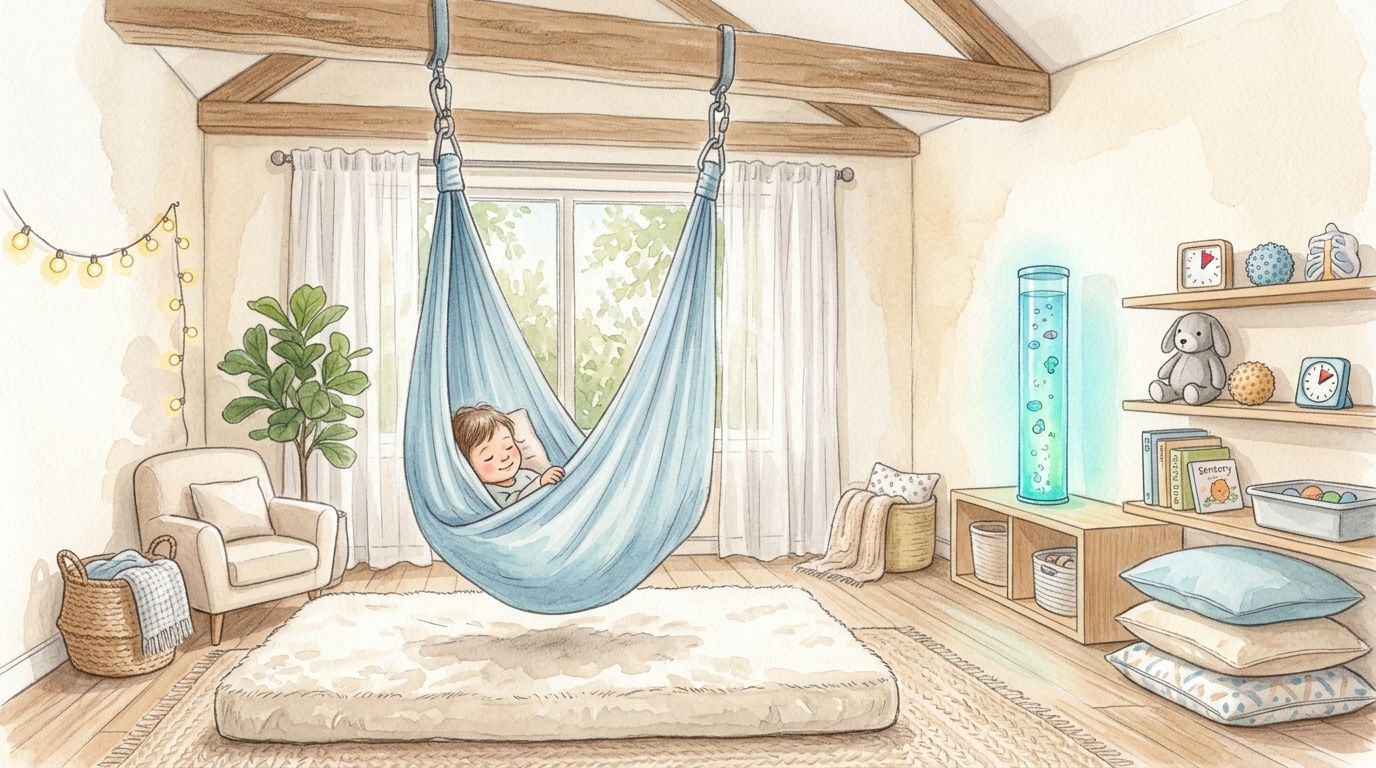
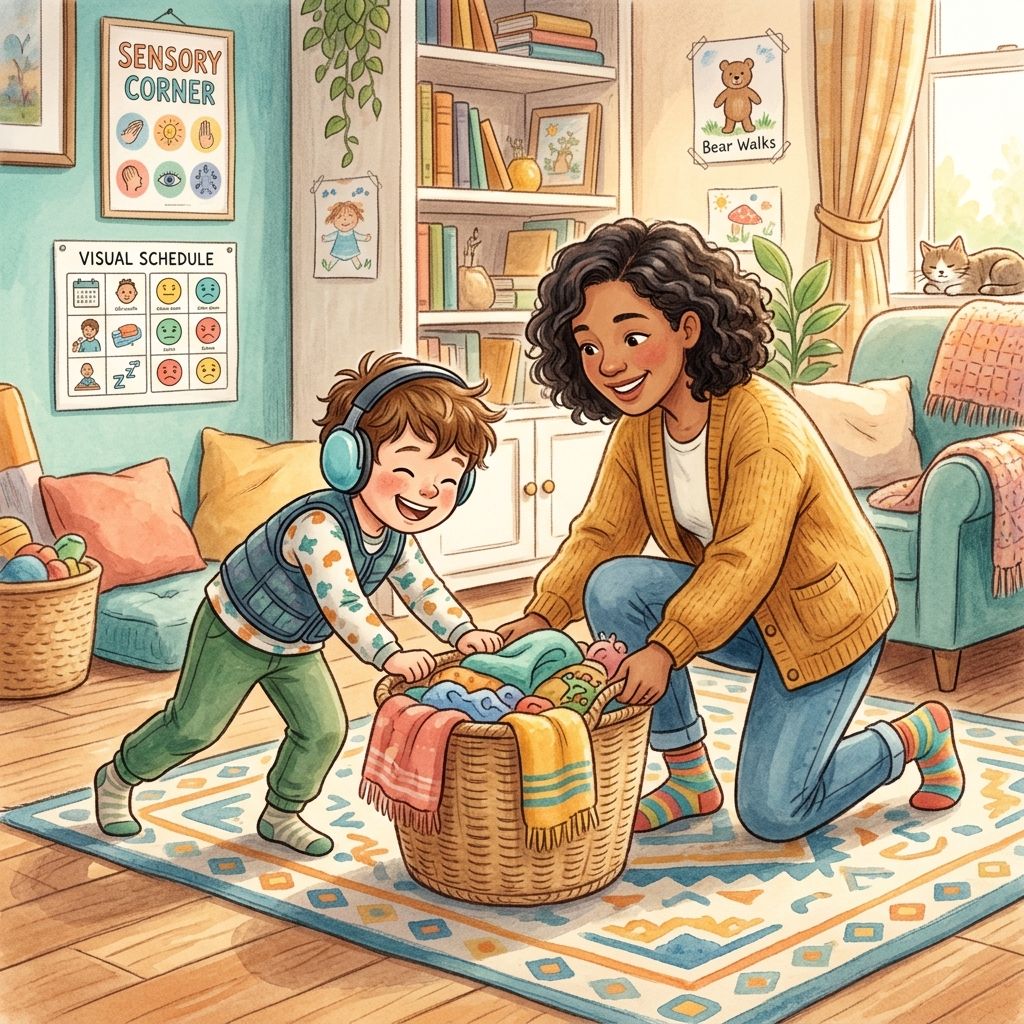
Occupational Therapy at HomeHow to Create a Calm Sensory Corner at Home (On a Budget)
A calm sensory corner is a designated low-stimulation home sanctuary equipped with soft lighting, weighted pillows, tactile tools, and visual calm-down charts to help children self-regulate.
Read Article arrow_forward
Book RecommendationsThe Best Books for an Autistic 5-Year-Old Dealing with Sensory Overload
Discover practical, neuro-affirming guidance, sensory regulation strategies, and lived-experience insights on The Best Books for an Autistic 5-Year-Old Dealing with Sensory Overload.
Read Article arrow_forward
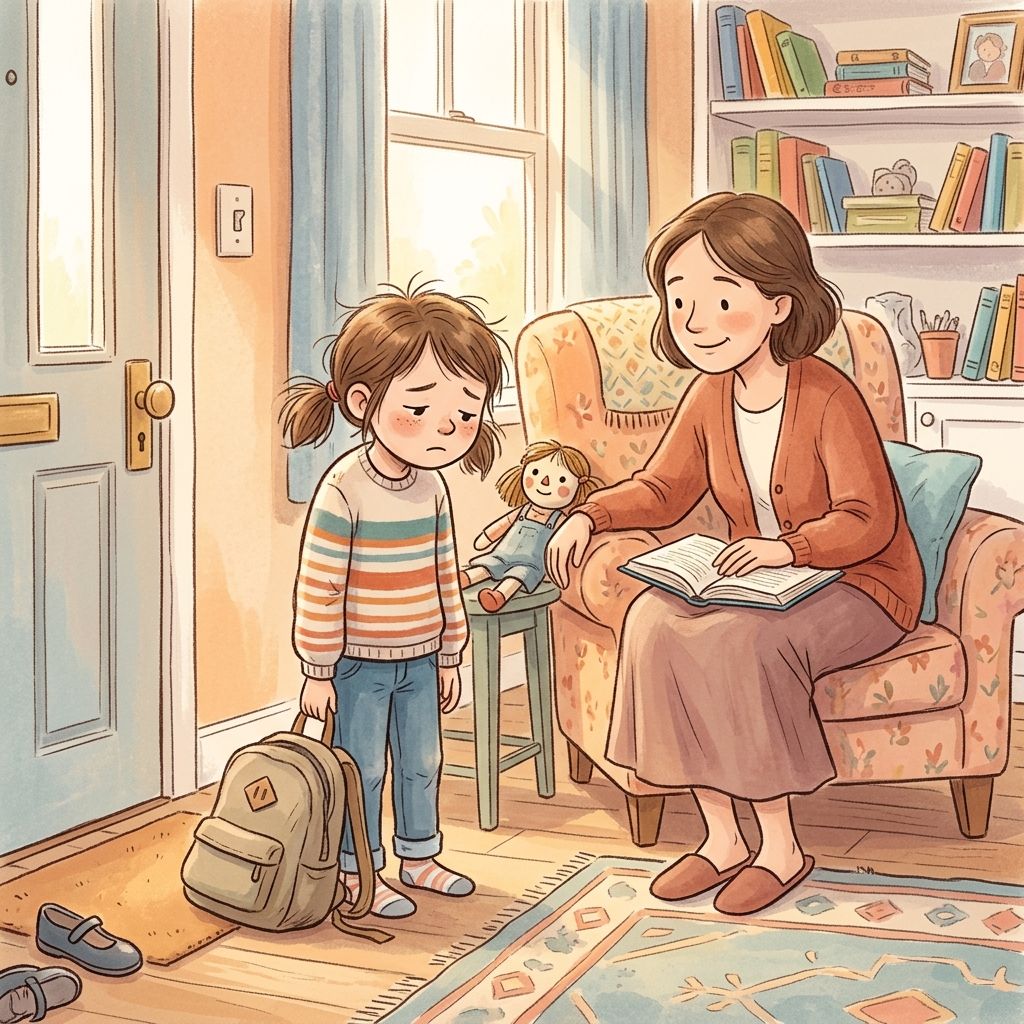
Emotional RegulationHow Low-Demand Parenting & Declarative Language Reduce After-School Meltdowns
After-school meltdowns (restraint collapse) occur when neurodivergent children spend all day heavily masking at school, needing low-demand environments, declarative language, and sensory resets upon returning home.
Read Article arrow_forward
Occupational Therapy at Home10 Simple "Heavy Work" Activities to Regulate Your Child at Home
Heavy work activities provide deep proprioceptive muscle and joint input that regulates the central nervous system, helping sensory-seeking or dysregulated children find grounded calm.
Read Article arrow_forward
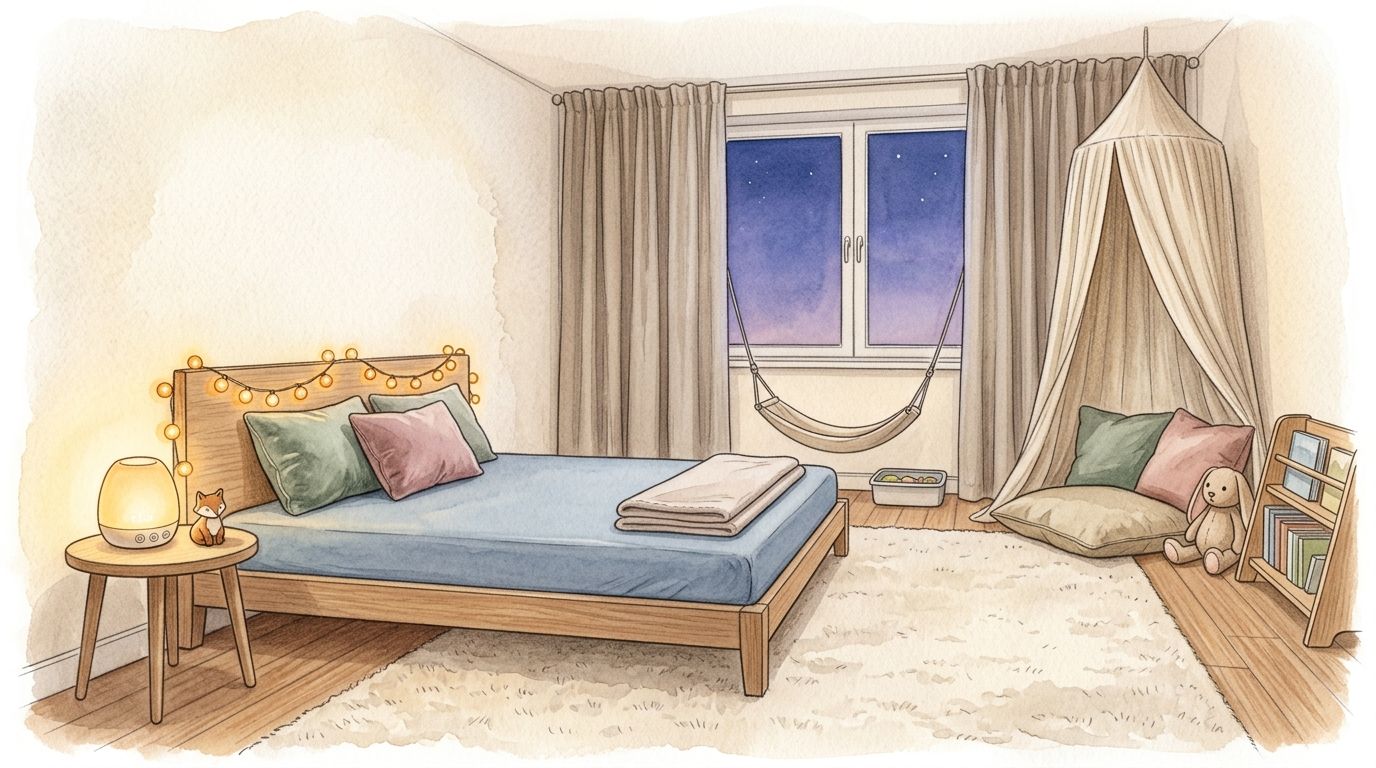
Neurodivergent Parenting5 Tips For Calming Bedtime Routines for Neurodivergent Kids
Calming bedtime routines for neurodivergent kids rely on sensory-friendly wind-downs, visual schedules, dim lighting, and proprioceptive deep pressure (like weighted blankets) rather than rigid, demand-heavy clocks.
Read Article arrow_forward
Sensory ProcessingCalm Down Strategies for Kids with Sensory Processing Disorder: A Parent's Guide
Discover practical, neuro-affirming guidance, sensory regulation strategies, and lived-experience insights on Calm Down Strategies for Kids with Sensory Processing Disorder: A Parent's Guide.
Read Article arrow_forward