How to Create a Sensory-Friendly Bedroom on a Budget: Low-Cost Calming Solutions
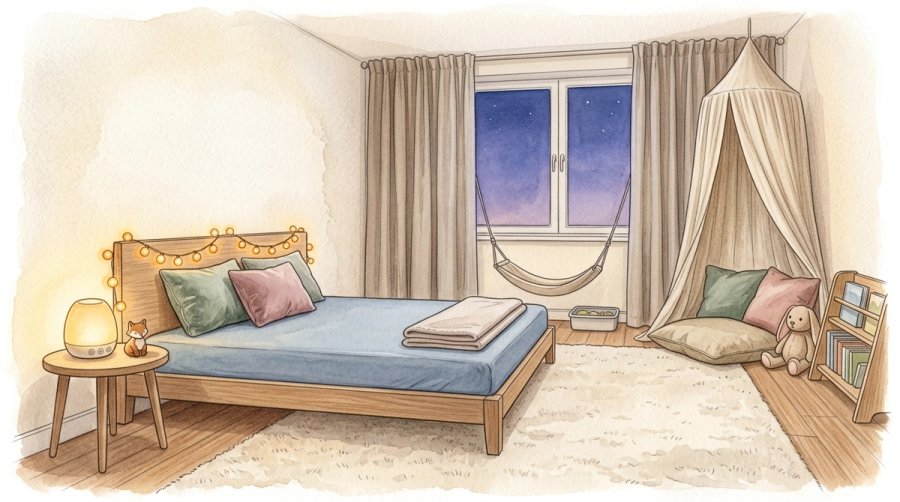
Transform your child’s bedroom into a restorative sensory sanctuary for under $150. Discover affordable blackout curtains, warm lighting swaps, compression bed sheets, and acoustic shielding.
Editorial Disclosure & Medical Scope: Sensory Kids Books shares neurodiversity-affirming, lived-experience insights and sensory-informed tools for parents, caregivers, and educators. This publication is for educational purposes only and does not constitute formal medical diagnosis, psychiatric evaluation, or clinical occupational therapy advice. Always consult a qualified pediatrician or licensed clinician for individual medical care. As an Amazon Associate, we earn from qualifying purchases through our independent affiliate links at zero extra cost to you.
Editorial Note & Practical Transparency: This guide is written from real-world lived experience parenting neurodivergent children with sensory processing differences and sensory-informed environmental design. It is not clinical sleep medicine. As an Amazon Associate, we earn from qualifying purchases through our independent affiliate links at zero extra cost to you.
⚡ Quick Takeaway & Summary for Parents: You do not need thousands of dollars in commercial sensory equipment to build a calming bedtime sanctuary. By systematically addressing the four sensory triggers—visual glare, unpredictable auditory startles, tactile irritation, and dysregulated nervous system arousal—you can create a peaceful sleep haven for under $150 using smart, accessible home swaps.
Why Bedtime Feels Like a Battle: The Neurodivergent Sensory Dilemma
If your child treats bedtime like an Olympic combat sport—stalling for water six times, having explosive meltdowns over pajamas, or pacing their room until midnight with wide, hyper-alert eyes—you are likely not dealing with intentional defiance or poor discipline. You are looking at a nervous system stuck in fight-or-flight hyperarousal.
For a child with autism, ADHD, or sensory processing differences, falling asleep requires something neurotypical brains take completely for granted: the ability to filter out environmental stimuli. When an adult steps into a bedroom, their brain naturally habituates to the hum of the refrigerator down the hall, the amber streetlight flickering outside the window, and the seam of their sheets against their ankles.
For a sensory-sensitive child, however, that habituation gate is wide open. The ceiling fan doesn’t just spin; it strobes and hums like a low-frequency drone. The standard polyester-blend bedsheet feels like sandpaper against a sunburn (a hallmark of tactile defensiveness). The shift from bright family room chaos to quiet isolation triggers intense autistic transition distress. Before you spend money on custom furniture, let us break down the exact low-cost modifications that transform a bedroom into a restorative sensory sanctuary.
The 4 Budget Pillars of a Calming Sensory Bedroom
A truly sensory-friendly room is not about buying more toys; it is about strategic stimulus reduction and reliable proprioceptive calming. Here is the four-part framework we use in our own home:
1. Visual Tone: Banishing Harsh Glare & Streetlight Intrusions
Most children’s bedrooms are equipped with a single central ceiling fixture—often housing a 5000K daylight-spectrum LED bulb. When you flip that switch at 7:30 PM, you are firing a neurological cannon of blue light straight into your child’s retinas, instantly suppressing melatonin synthesis and telling their suprachiasmatic nucleus that it is high noon.
The solution is two-fold: First, eliminate overhead glare by draping shopping_cartwarm amber fairy lights or low-glare 2200K rope lightsopen_in_new along the baseboard or behind a headboard. Amber and soft warm tones provide enough illumination for a bedtime story without sending daytime awake signals to the brain.
Second, install true thermal blackout curtains like the shopping_cartNICETOWN 100% Thermal Blackout Curtainsopen_in_new. Standard window mini-blinds leak ambient streetlamps, neighbor security floodlights, and early 5:30 AM summer sunlight. Heavy triple-weave curtains black out the room completely and add a layer of sound dampening against neighborhood traffic.
2. Deep Pressure Input: The Compression Sheet Alternative
Weighted blankets are often hailed as the holy grail of sensory sleep, but for many kids, they carry two major flaws: they trap immense body heat (triggering nocturnal sensory sweating and restless waking), and active toss-and-turners easily kick them off onto the floor at 2:00 AM, leaving the child unanchored.
A game-changing, budget-friendly alternative is a shopping_cartSensory Compression Bed Sheetopen_in_new. Made of breathable, stretchy nylon-spandex, this sleeve slides completely around the mattress like a giant pillowcase. When your child slips inside, it delivers a gentle, continuous "hug" of deep proprioceptive input across their entire body. It cannot fall off the bed, it stays completely cool in warm weather, and it costs a fraction of premium weighted blankets.
3. Auditory Shielding: Non-Looping White & Pink Noise
Total silence is rarely soothing to an auditory-sensitive child. In a silent room, every unpredictable house sound—a floorboard creaking upstairs, a toilet flushing, a distant siren, or a dog barking down the street—registers as a sharp, alarming spike that snaps a light-sleeping nervous system awake.
A dedicated acoustic masking device like the shopping_cartDreamegg D1 Sound Machineopen_in_new creates a smooth, continuous acoustic blanket. Unlike cheap phone apps that feature noticeable 30-second audio loops (which neurodivergent pattern-seeking brains lock onto with frustration), a dedicated machine generates smooth pink, brown, or fan sounds that blend harsh background spikes into a gentle, unobtrusive hum.
🎨 Create a Calm Down Corner in the Bedroom:
Physical tools work ten times better when paired with clear visual emotional co-regulation. If your child struggles with bedtime meltdowns or dysregulated evening energy, check out our printable Classroom & Home Calm Down Corner Kit ($7.99). It features printable emotional check-in thermometers, 5-4-3-2-1 grounding posters, visual breathing boards, and calm choice cards you can frame directly in your bedroom calming nook.
👉 Download the Instant Calm Down Corner Kit ($7.99 Single Family / $14.99 Classroom License)
How to Build a Bedroom Calm-Down Nook in Under 2 Hours
You do not need a dedicated playroom or a massive master bedroom to build a safe decompression space. In our home, we converted an unused 3x3-foot corner beside the closet into an intentional sensory retreat for under $40 using everyday household items:
• The Bed Canopy or Tent: A simple sheer mosquito netting ring hung from a ceiling hook or a pop-up play tent creates an enclosed cocoon that physically limits visual distraction.
• Proprioceptive Floor Crash Spot: Instead of expensive sensory beanbags, stuff a zippered duvet cover with spare pillows and plush blankets. This creates a high-density "crash pad" where kids can collapse and receive heavy joint feedback.
• Visual Predictability Cue: Pair your bedroom setup with a visual countdown timer so your child has an external, non-verbal compass of how much wind-down time remains before lights-out. Time blindness is real, and visual clocks remove the friction of verbal reminders.
Need a customized sensory sequence for your child’s bedtime? You can use our free online Interactive Sensory Diet Generator Tool to design a tailored 15-minute evening routine combining proprioceptive heavy work (like wall pushes or bear hugs) with vestibular calming before your child gets into bed.
Recommended Sensory Bedroom Upgrades: Tested Parent Reviews
Below are our four top-rated physical sensory products that deliver the highest real-world calming return on investment for under $150 total:
1. NICETOWN 100% Thermal Blackout Curtains with Noise Reduction Liner
Why It Works for Sensory Kids: True 100% blackout capability isn’t just about dark mornings; it prevents visual micro-waking from headlight sweeps and outdoor motion sensors. The dense triple-weave fabric also serves as an acoustic dampener against street-level sounds that startle light sleepers.
Price & Practical Value: ~$28–$35 for a pair. Simple rod-pocket installation without requiring expensive custom drapery hardware.
2. Dimmable Warm Amber & Copper Fairy Lights (Zero Blue Light, 2200K)
Why It Works for Sensory Kids: Swapping bright overhead lamps for low-mounted amber fairy lights creates an immediate visual cue that the active day is over. Amber wavelengths (unlike cool white or blue light) do not suppress nighttime melatonin and provide zero flicker glare.
Price & Practical Value: ~$12–$16 with remote dimmer control. Safe, low-voltage copper wire that stays cool to the touch.
3. Special Supplies Breathable Sensory Compression Bed Sheet
Why It Works for Sensory Kids: Provides steady, calming tactile and proprioceptive pressure across the torso and limbs without trapping heat or posing a suffocation risk. Excellent for sensory seekers who kick their blankets off or thrash restlessly through the night.
Price & Practical Value: ~$24–$32 for Twin or Full mattresses. Machine washable and stretches easily over standard mattresses.
4. Dreamegg D1 Portable Sound Machine with Warm Nightlight
Why It Works for Sensory Kids: True non-looping sound design prevents auditory fixations. Features soothing pink noise, fan sounds, and nature soundscapes paired with a dimmable warm nightlight ring that doesn’t disrupt sleep architecture.
Price & Practical Value: ~$35–$42. Compact footprint, robust volume range, and simple physical buttons that older kids can manage independently.
shopping_cart👉 Check Current Price for Dreamegg D1 Sound Machine on Amazon (paid link)open_in_new
Looking for a structured way to practice daytime co-regulation before bedtime begins? Download our free 5-page printable Self-Regulation Workbook for Kids PDF, which includes somatic body check-in worksheets and visual calm down trackers.
 Instant PDF
The PDA & Low-Demand Parenting Workbook for Kids
A Declarative Language & Co-Regulation Guide to Reduce Meltdowns, Build Autonomy, and Navigate Daily Routines with Pathological Demand Avoidance
Recommended Sensory Products
Carefully curated products for a sensory-friendly environment.

NICETOWN 100% Thermal Blackout Curtains
BEST FOR SENSORY DARKNESS & SOUND DAMPENING
Blocks 100% of streetlights, headlights, and morning sunrise while providing acoustic insulation against neighborhood noise.
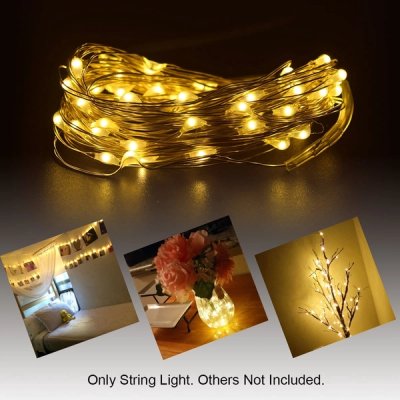
Dimmable Warm Amber & Copper Fairy Lights
BEST LOW-GLARE EVENING LIGHTING
Flicker-free 2200K amber illumination that replaces harsh overhead fixtures without triggering evening melatonin suppression.

Special Supplies Sensory Compression Bed Sheet
BEST COOLING DEEP PRESSURE INPUT
Gentle, continuous proprioceptive hugging pressure for restless sleepers. Stays completely cool and cannot be kicked off.
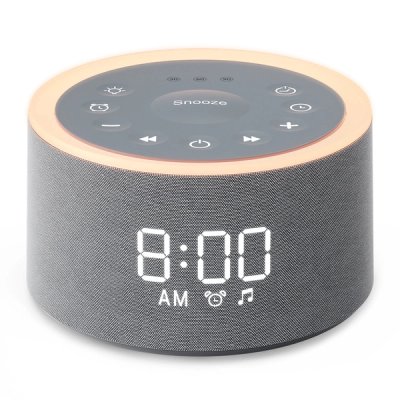
Dreamegg D1 Portable Sound Machine with Warm Light
BEST AUDITORY DEFENSIVENESS SHIELD
Non-looping smooth pink and brown noise masking that buffers against sudden household thuds and neighborhood startles.
📚 Evidence-Based Sources & Citations
Peer-reviewed literature, clinical frameworks, and foundational neurodiversity resources referenced in this guide.
- Occupational Therapy Practice Guidelines for Children and Youth with Challenges in Sensory Integration and Sensory Processing — American Occupational Therapy Association (AOTA)(2020)View Sourceopen_in_new
- Sleep Architecture, Sensory Sensitivities, and Melatonin Regulation in Neurodivergent Pediatric Populations — Journal of Autism and Developmental Disorders(2022)View Sourceopen_in_new
- Environmental Light Spectrum, Blue Light Exposure, and Circadian Sleep Initiation in Children — National Sleep Foundation(2023)View Sourceopen_in_new
- Creating Calming Sensory Bedrooms and Bedtime Spaces for Sensitive Kids — Child Mind Institute(2024)View Sourceopen_in_new
Join the Conversation
Get our monthly guide on sensory-aware parenting and neuro-inclusive home design delivered straight to your sanctuary.
Respecting your inbox and your peace of mind.
Leave a Reply
Your email address will not be published. Required fields are marked *