Sponsored Content Placement
Book Recommendations
Sensory-Friendly Dentist Visits: A Neurodivergent Parent's Complete Survival Guide
self_improvementTake A Moment
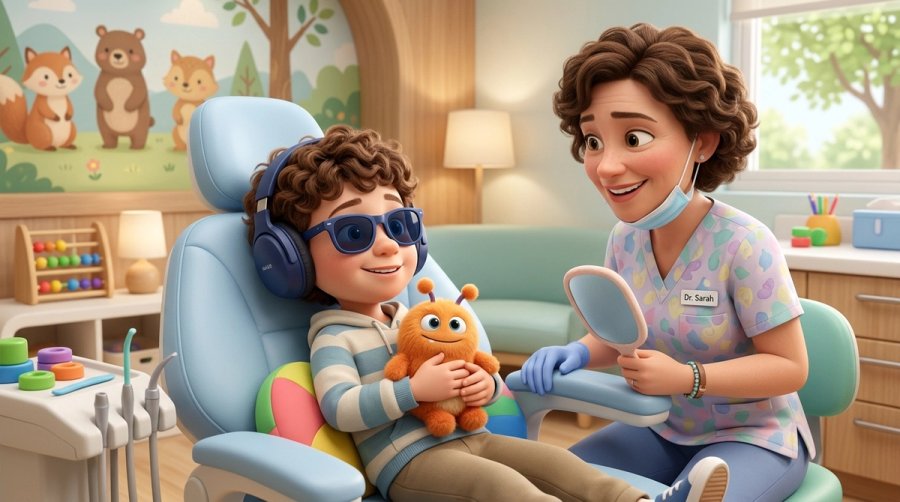
Dental clinics are designed as an involuntary sensory minefield. Here is the exact architectural desensitization protocol, sensory tool kit, and dentist communication script I use to eliminate dental terror for autistic and ADHD kids.
If you engineered a laboratory specifically designed to trigger an autistic meltdown, it would look almost identical to a modern dental operatory.
Think about it from an architectural sensory standpoint. You are asking a child to recline backwards until they lose their vestibular balance. An industrial 5,000-lumen halogen light is blasted directly into their pupils. A high-pitched ultrasonic scaler screeches at frequencies that pierce right through bone conduction. Pungent chemical smells of eugenol, latex, and mint foam choke the air. And to top it off, a stranger in a mask inserts cold metallic instruments into their most vulnerable, intimate sensory zone: their mouth.
When our kids bite the suction straw, kick their feet, scream, or refuse to open their mouths, traditional clinics label them "uncooperative" or "combative." As a neurodivergent adult and systems designer who spent years terrified of cleanings, I can tell you unequivocally: they are not misbehaving. They are experiencing acute sensory trauma.
You do not have to resort to full general anesthesia or traumatic physical restraints for basic dental care. By redesigning the sensory inputs and using systematic desensitization, we can turn dental visits into a manageable, routine health habit. Here is my complete survival protocol.
To solve the problem, we must identify which sensory channel is overloading your child. In my experience working with neurodivergent families, dental anxiety boils down to three distinct neurological triggers: (If your child is sensitive to textures in daily life, read our companion guide on Tactile Defensiveness in Kids.)
1. Oral Defensiveness & Gustatory Pain: The mouth has the highest concentration of tactile nerve endings in the human body. Strong artificial mint flavoring burns neurodivergent tastebuds like acid, while foaming agents (Sodium Lauryl Sulfate) trigger intense gag reflexes.
2. Auditory Bone Conduction: When a dentist cleans plaque with an electric polisher or ultrasonic scaler, the sound doesn’t just enter through the ears; it conducts directly through the jawbone into the inner ear. Even standard noise-canceling headphones cannot block bone-conducted vibration without additional tactile grounding.
3. Vestibular Disorientation & Loss of Control: Tipping backwards in a hydraulic chair without visual reference points triggers a primitive fight-or-flight reflex. For kids with Pathological Demand Avoidance (PDA), having someone physically hover over them and demand compliance is an existential threat to autonomy.
You cannot expect a child to tolerate a 30-minute professional dental cleaning if they cannot tolerate tooth brushing at home. In our home, we implement a phased runway 4 weeks before any scheduled appointment.
Throw out standard grocery store adult toothpaste. If your child resists brushing, 90% of the time it is the chemical burn of SLS and artificial menthol. Switch immediately to a completely unflavored, non-foaming sensory paste.
Autistic brains crave predictive clarity. We play "Dentist Office" on the living room sofa using a small flashlight and a soft silicone dental mirror. We follow the clinical "Tell-Show-Do" rule:
• Tell: "I am going to count four of your top teeth."
• Show: Tap the back of their fingernail four times with the silicone tool so they know the exact sensation.
• Do: Gently count four teeth inside their mouth, then immediately pause and celebrate.
When you arrive at the clinic, your child should be physically armored against sensory shocks. Never leave this to chance. Here is what we pack in our dental survival bag:
Do not wait until your child is hyperventilating in the chair to negotiate accommodations. Call the clinic two days prior and send this exact sensory checklist:
1. First Morning Appointment: Book the first slot of the day. The clinic is quiet, there is no waiting room backlog, and the staff is not fatigued.
2. No Flavored Fluoride or Gritty Pumice Paste: Ask them to use unflavored polish or plain water cleaning if taste aversion is acute.
3. The Stop Signal: Establish an absolute non-negotiable hand signal: "When my child raises their left hand, everything stops instantly for 30 seconds." When the child realizes they possess total veto power, demand panic vanishes.
If your child has Pathological Demand Avoidance, commands like "Open wide" or "Keep your hands down" trigger acute autonomic panic. If you suspect demand avoidance is dominating medical visits, review our free PDA Checklist for Children (Free PDF) for declarative communication shifts.
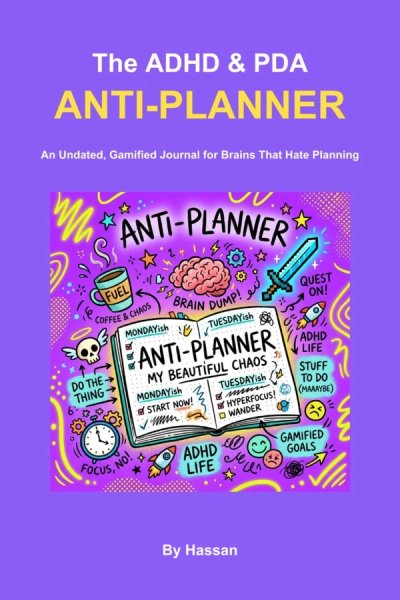
For helping your child navigate medical anxieties and daily executive dysfunction, explore The ADHD & PDA Anti-Planner, and check out the Emotion Monsters Series to give young minds a playful vocabulary to articulate fears before sitting in the examination chair.
 Instant PDF
An Undated, Low-Demand Gamified Planner & Focus Journal for Neurodivergent Minds
Carefully curated products for a sensory-friendly environment.

BEST FOR FOCUS
Providing 5lbs of gentle pressure to help children stay grounded during long reading sessions.

SENSORY FRIENDLY
Flicker-free technology with adjustable color temperatures to prevent eye strain.
Get our monthly guide on sensory-aware parenting and neuro-inclusive home design delivered straight to your sanctuary.
Respecting your inbox and your peace of mind.
No comments yet. Be the first to share your thoughts!
Your email address will not be published. Required fields are marked *