How to Build a Low-Distraction Homework Station for ADHD Kids: The Sensory & Executive Function Setup
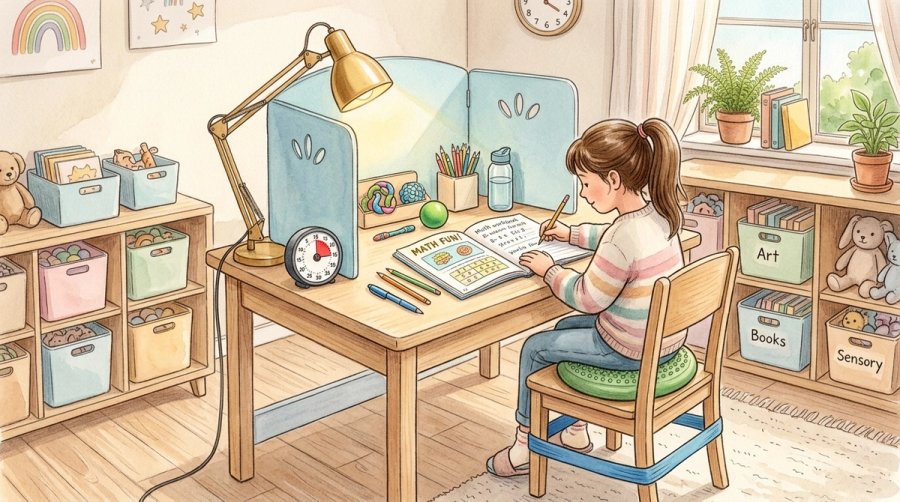
Transform homework battles into calm focus. Discover the sensory seating, visual carrels, non-flicker lighting, and executive function tools that help ADHD kids thrive.
Editorial Disclosure & Medical Scope: Sensory Kids Books shares neurodiversity-affirming, lived-experience insights and sensory-informed tools for parents, caregivers, and educators. This publication is for educational purposes only and does not constitute formal medical diagnosis, psychiatric evaluation, or clinical occupational therapy advice. Always consult a qualified pediatrician or licensed clinician for individual medical care. As an Amazon Associate, we earn from qualifying purchases through our independent affiliate links at zero extra cost to you.
⚡ Quick Takeaway & Summary for Parents: Homework battles for ADHD kids rarely stem from a lack of intelligence or willful disobedience; they are the physiological result of executive dysfunction, working memory depletion, and sensory overstimulation. When forced to sit in a standard dining chair facing an open room, an ADHD brain expends up to 70% of its cognitive energy simply filtering out peripheral motion, resisting postural fatigue, and wrestling with task paralysis. By implementing a dedicated "Sensory & Executive Function Homework Station"—combining visual perimeter carrels, active vestibular seating, non-flicker architectural lighting, and externalized visual timers—you offload working memory, channel kinetic restlessness into productive proprioception, and eliminate evening homework meltdowns.
It is 5:30 PM on a Tuesday. The backpack has been dumped in the hallway, three crumpled math worksheets are smoothed out on the kitchen table, and within four minutes, tears are flowing—either yours, your child’s, or both.
"Just sit down and write the five vocabulary sentences," you plead. "It should only take ten minutes!" But for a neurodivergent child diagnosed with ADHD, AuDHD, or executive function disorder, sitting still at a wide-open kitchen table feels like trying to write an essay in the middle of a carnival while balancing on a narrow beam.
Every refrigerator hum, every shadow cast by a sibling walking past, every tick of the wall clock, and even the physical sensation of their feet dangling off an adult chair demands attention from an under-aroused prefrontal cortex. The problem isn’t the homework—it’s the environmental friction. When you engineer the physical workspace around your child’s unique neurobiology, homework transforms from a two-hour battle into a calm, focused routine.
The 4 Architectural Pillars of an ADHD Homework Station
As a technical architect and parent deeply immersed in pediatric sensory integration, I look at an ADHD study station like an optimized operating system. To keep cognitive processes running smoothly, you must minimize background resource drain. Every study station should address four specific sensory channels:
1. Visual Perimeter Control: Children with ADHD have hyper-reactive visual tracking. If their peripheral vision can register pets moving, laundry piles, or TV flickers, their visual working memory resets repeatedly. Physical boundaries create a cognitive "focus cockpit."
2. Proprioceptive & Vestibular Active Seating: In ADHD brains, motor cortex activation directly fuels prefrontal dopamine release. Demanding absolute stillness literally shuts down their attention. Active seating lets kids wiggle, rock, and push with their legs silently while their upper body stays anchored.
3. Circadian & Non-Flicker Architectural Lighting: Standard overhead ceiling lights and cheap LED bulbs often emit a high-frequency 100Hz/120Hz micro-strobe. While invisible to neurotypical eyes, this invisible flicker causes rapid visual fatigue, headaches, and irritability in sensory-sensitive children.
4. Externalized Time & Chunked Milestones: ADHD kids experience profound "time blindness"—the future exists only as "Now" or "Not Now." A static digital clock offers zero urgency or spatial comprehension. Time must be rendered physical and visible.
1. Really Good Stuff Desktop Privacy Shield: The Instant Visual Cockpit

If your child does homework in a shared living room, kitchen island, or multi-purpose bedroom, peripheral movement is their greatest enemy. The Really Good Stuff Trifold Privacy Shield acts like horse blinders for executive function, instantly boxing out distractions without requiring a separate isolation room.
Why it works for ADHD: The matte corrugated finish dampens minor acoustic reflections and prevents ambient light glare. More importantly, it creates psychological "contextual zoning"—when the carrel unfolds onto the desk, the brain registers that play mode has paused and study mode is engaged. The inside panels can also hold a visual checklist or sticky notes of just the current assignment, hiding the overwhelming 10-page packet.
⭐ Really Good Stuff Trifold Desktop Study Carrel (Best Visual Focus Boundary)
Heavy-duty corrugated construction. Collapses completely flat in 2 seconds for storage. Eliminates peripheral visual distractions in shared family spaces.
shopping_cart👉 Check Price for Desktop Privacy Carrel on Amazon (paid link)open_in_new
2. BouncyBand Inflatable Wiggle Seat: Vestibular Input Without Floor Falling

Watch your child while they do homework: Are they slouching sideways, sitting on their feet, wrapping their limbs around chair legs, or tipping the chair onto two legs? These postural gymnastics are not misbehavior; they are your child’s vestibular system screaming for equilibrium feedback to stay awake and alert.
The BouncyBand Wiggle Seat (Sensory Wobble Cushion) turns any standard desk chair or kitchen stool into an active sensory seat. Filled with air, it creates continuous subtle micro-instability that engages core abdominal and spinal stabilizing muscles. One side features raised sensory nubs for tactile tactile seekers, while the reverse side is smooth.
Occupational Therapy Benefit: Continuous micro-movements stimulate the brain’s vestibular apparatus, maintaining optimum arousal levels so your child can concentrate on spelling words rather than fighting the urge to stand up.
⭐ BouncyBand Inflatable Sensory Wiggle Seat (Best Active Seating Tool)
Dual-textured sensory disc (smooth + tactile nubbed sides). Includes hand pump to customize inflation firmness. Fits standard classroom and home desk chairs.
shopping_cart👉 Check Price for BouncyBand Wiggle Seat on Amazon (paid link)open_in_new
3. Original Bouncy Bands for Desks: Proprioceptive Heavy Work for Restless Feet

For hyperactive kids who kick the table legs, tap their heels on the floor, or bounce their knees like a jackhammer, Bouncy Bands provide silent, high-resistance proprioceptive feedback.
Engineered from heavy-duty commercial latex-free rubber with patented molded support pipes that slide over the chair or desk legs, the band allows kids to bounce, stretch, and press their feet against strong elastic resistance. The continuous push against resistance provides "heavy work" deep pressure input directly to the leg muscles and joints, releasing pent-up motor energy silently without shaking the desk or distracting others.
⭐ The Original Bouncy Bands for Desks & Chairs (Best Proprioceptive Foot Resistance)
Patented anti-slip support loops. Whisper-quiet kinetic outlet for foot bouncing and leg shaking. Clinically proven to increase student on-task time.
shopping_cart👉 Check Price for Original Bouncy Bands on Amazon (paid link)open_in_new
4. EppieBasic Architect Clamp LED Lamp: Eye-Strain-Free Directed Lighting

Most children do homework under inadequate room lighting or harsh overhead spotlights that cast heavy shadows directly across their notebooks as they lean forward to write. In sensory-sensitive children with ADHD, visual glare and shadow flickering trigger eye strain, squinting, and rapid cognitive fatigue within 15 minutes.
The EppieBasic Architect Clamp LED Desk Lamp solves this permanently with a wide 31.5-inch dual-head light bar clamped firmly to the back or side of the desk. Clamping to the edge frees up 100% of the desk surface—crucial for ADHD kids who knock over lamps and clutter surfaces.
Why the lighting spectrum matters: It features stepless dimming and 5 distinct color temperature modes (from warm 3000K amber for calming evening study to crisp 5000K daylight for alertness). The diffused, zero-flicker illumination blankets the entire workbook evenly, eliminating harsh shadows and visual distractions.
⭐ EppieBasic Architect Clamp LED Dual-Head Desk Lamp (Best Non-Flicker Workspace Lighting)
Zero-flicker, anti-blue-light certification. Clamps sturdily to any desk up to 3.34 inches thick. 5 color modes and stepless dimming for custom sensory comfort.
shopping_cart👉 Check Price for EppieBasic Clamp Lamp on Amazon (paid link)open_in_new
Digital Tools to Pair with Your Physical Workspace
A perfectly engineered physical desk solves sensory overload, but ADHD kids still face executive function barriers: initiation paralysis, task estimation difficulty, and emotional overwhelm when looking at multi-step projects.
🎒 The ADHD & PDA Anti-Planner ($8.99 Instant PDF)
Designed specifically for neurodivergent brains who freeze under traditional rigid scheduling. Features low-demand dopamine menus, chunked homework sprint trackers, meltdown recovery protocols, and visual task breakdown sheets that clip straight to your child's study carrel.
👉 Get The ADHD & PDA Anti-Planner in Our Shop
🎒 Autism & ADHD Visual Daily Routine Pack ($7.99 / $14.99 Bundle)
Over 80+ visual cue cards and color-coded sequence strips. Hang the "Homework Transition Strip" directly on the desk wall so your child visually sees: Snack -> 5-Min Trampoline Bounce -> Math Worksheet -> Free Screen Time.
👉 Download the Visual Daily Routine Pack
🎒 504 Plan Master Toolkit for ADHD ($7.99 Instant Download)
Want these exact sensory accommodations written into your child's legal school plan? Get pre-written, lawyer-vetted accommodation clauses for flexible seating, sensory breaks, and reduced homework volume.
👉 Get the 504 Plan Master Toolkit
Free Interactive Tools on Sensory Kids Books
You can customize your child's after-school routine and sensory diet right now using our free web generators:
• Generate a printable visual daily schedule with our free Visual Daily Routine Generator to create an after-school transition chart tailored to your child's energy curve.
• Prevent homework meltdowns by creating a customized sensory warm-up using our Sensory Diet Schedule Generator (e.g., 5 minutes of heavy work wall push-ups before opening workbooks).
• Need school support? Generate individualized accommodation goals with our free IEP SMART Goal Generator for executive function and classroom self-regulation.
Step-by-Step: How to Set Up the Station This Weekend
Step 1: Choose the Right Room Location (Never Facing a Doorway). Place the desk facing a solid wall or corner rather than facing into the center of the room or toward an open doorway. Facing open doorways triggers involuntary vigilance every time someone walks past.
Step 2: Clear the "Visual Horizon". Remove all open pen cups, toy collections, and random papers. Use the "One-In, One-Out" rule: only the pencil, eraser, and single active worksheet belong on the desk surface at any given moment.
Step 3: Anchor the Feet. If your child’s feet do not rest flat on the floor, their autonomic nervous system detects mild postural insecurity, causing fidgeting. If using an adult chair, place a sturdy wooden step stool under their feet or attach a Bouncy Band.
Step 4: Use the "Dopamine Bridge" Before Sitting Down. Never transition directly from high-dopamine activities (video games, YouTube) into homework. Use an intermediate sensory bridge: a cold crunchy snack (pretzels/apples) followed by 3 minutes of heavy proprioceptive work (wheelbarrow walks or bouncing on a mini trampoline).
Final Verdict: Start Small, Iterate With Your Child
You do not need an interior designer or an expensive home remodel to build a high-functioning ADHD study sanctuary. Start with two foundational anchors: a trifold study carrel to block peripheral visual noise, and a wobble cushion or Bouncy Band to satisfy their physiological need for kinetic motion. Involve your child in setting up the space—when they feel ownership over their sensory cockpit, homework transitions become smoother, calmer, and battle-free.
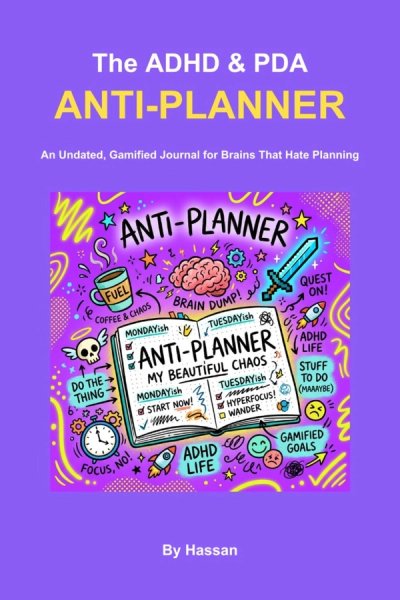 Instant PDF
The ADHD & PDA Anti-Planner
An Undated, Low-Demand Gamified Planner & Focus Journal for Neurodivergent Minds
Recommended Sensory Products
Carefully curated products for a sensory-friendly environment.
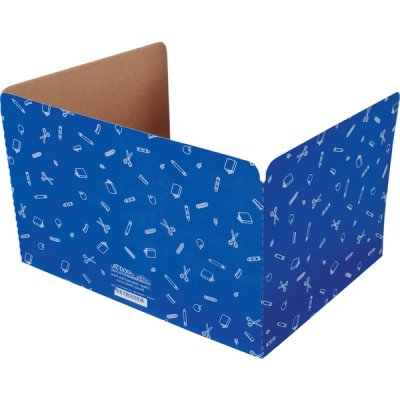
Really Good Stuff Desktop Privacy Shields
Best Visual Boundary
Durable trifold cardboard carrel that folds out in 2 seconds to block peripheral movement and create an instant focus cockpit.

BouncyBand Inflatable Sensory Wiggle Seat
Best Active Seating
Dual-textured wobble cushion offering continuous vestibular stimulation to keep the ADHD brain alert while seated.
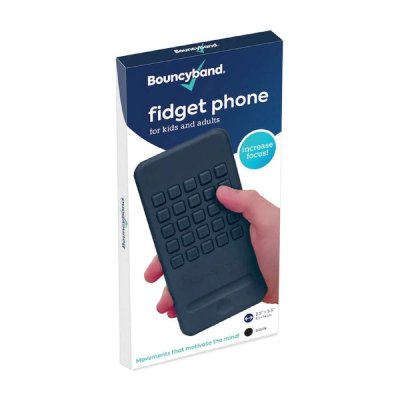
The Original Bouncy Bands for Desks
Best Foot Resistance
Heavy-duty rubber band that fits classroom and home chairs, channeling foot bouncing into silent proprioceptive deep pressure.
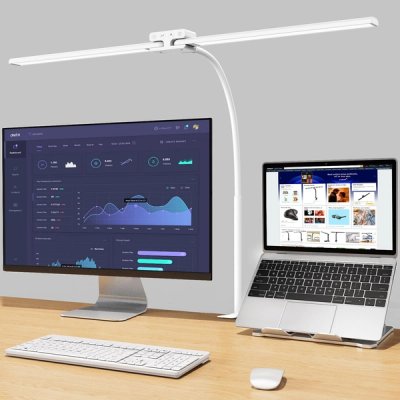
EppieBasic Architect Clamp LED Lamp
Best Glare-Free Lighting
Dual-head non-flicker architectural lamp that clamps to the desk edge, offering 5 color modes and shadow-free workspace lighting.
📚 Evidence-Based Sources & Citations
Peer-reviewed literature, clinical frameworks, and foundational neurodiversity resources referenced in this guide.
- Active Workstations and Cognitive Performance in ADHD Children: A Controlled Trial — Journal of Attention Disorders (Hartanto et al.)(2016)View Sourceopen_in_new
- Occupational Therapy Interventions for Children with Sensory Processing and Integration Challenges — American Occupational Therapy Association (AOTA)(2020)View Sourceopen_in_new
- Classroom Lighting, Glare, and Cognitive Fatigue in Neurodivergent Students — Architectural Science & Environmental Psychology Review(2022)View Sourceopen_in_new
- Executive Functioning in Everyday Life: Externalizing Memory and Time in ADHD — Russell A. Barkley, Ph.D. / Guilford Press(2021)View Sourceopen_in_new
Join the Conversation
Get our monthly guide on sensory-aware parenting and neuro-inclusive home design delivered straight to your sanctuary.
Respecting your inbox and your peace of mind.
Leave a Reply
Your email address will not be published. Required fields are marked *