Visual Schedule Boards vs. Printable Routine Charts: A Practical Parent Guide
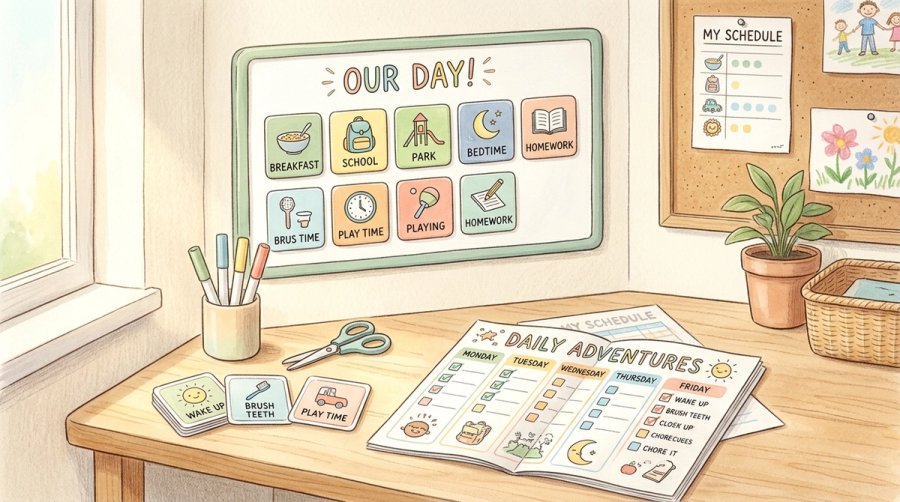
Struggling with morning stalling and bedtime resistance? Discover whether magnetic visual schedule boards or printable routine charts work best for autistic and ADHD kids, with honest cost, durability, and flexibility comparisons.
Editorial Disclosure & Medical Scope: Sensory Kids Books shares neurodiversity-affirming, lived-experience insights and sensory-informed tools for parents, caregivers, and educators. This publication is for educational purposes only and does not constitute formal medical diagnosis, psychiatric evaluation, or clinical occupational therapy advice. Always consult a qualified pediatrician or licensed clinician for individual medical care. As an Amazon Associate, we earn from qualifying purchases through our independent affiliate links at zero extra cost to you.
Editorial Note & Practical Transparency: This parent guide is based on real-world lived experience managing executive dysfunction, Pathological Demand Avoidance (PDA), and ADHD visual routines at home and school. It is not formal clinical behavioral therapy. As an Amazon Associate, we earn from qualifying purchases through our independent affiliate links at zero extra cost to you.
⚡ Quick Takeaway & Summary for Parents: Pre-made magnetic visual boards offer physical heft and durability, but their rigid task tiles and $30–$50 price tags make them difficult to adapt when daily schedules change. Printable routine charts cost a fraction of the price, can be customized endlessly for hyper-specific morning or bedtime micro-steps, and never trigger a meltdown over a lost magnet. For 80% of families, a laminated printable pack with velcro dots delivers superior long-term executive function scaffolding.
Why Working Memory Fails: The Science of Visual Scaffolding
If you have to repeat the phrase "brush your teeth, put on your shoes, and grab your backpack" seven times every morning until your throat is hoarse, you are not dealing with a listening problem. You are witnessing working memory saturation.
In children with ADHD, autism, or sensory processing differences, verbal multi-step instructions evaporate almost instantly. Spoken words are transient; once spoken, they vanish from the air. When you say three tasks in a row, a neurodivergent brain often holds onto only the last word heard—or drops the entire sequence because the visual brain has zero tangible anchor.
Visual schedules externalize executive function. By turning an invisible mental to-do list into a static, visible reference, you remove the burden of working memory. Even better: you remove parental nagging from the equation. The schedule becomes the neutral authority, which drastically reduces power struggles (especially when paired with silent visual countdown timers and zero-friction ADHD morning organization systems).
Magnetic Schedule Boards vs. Printable Routine Charts: The Trade-Offs
When parents decide to implement visual routines, they face a classic dilemma: Do you buy a boxed, pre-made magnetic visual schedule board on Amazon, or do you download a printable routine chart pack? Here is an unvarnished comparison based on years of living with both systems:
1. Pre-Made Magnetic Schedule Boards
The Pros: Ready out of the box with zero printing, cutting, or laminating required. Thick wooden or magnetic tiles (like the shopping_cartKids Visual Schedule Wall Hanging Boardopen_in_new or shopping_cartMelissa & Doug Daily Magnetic Calendaropen_in_new) offer satisfying tactile weight that young sensory seekers enjoy snapping onto the board.
The Cons: High upfront cost ($30 to $50). Most critically, rigid vocabulary. The box might include tiles for "Soccer" and "Piano," but nothing for "Take ADHD Medication," "Put on Noise-Cancelling Headphones," or "Do 5 Minutes of Box Breathing." Furthermore, if your toddler loses the "Brush Teeth" magnet behind the refrigerator, the entire visual system collapses into a meltdown.
2. Printable Visual Routine Charts & Cards
The Pros: Complete customization at a fraction of the cost ($7.99 for a full pack vs. $40+ for a board). You can print multiple copies for different zones (bathroom mirror, study desk, front entryway). If a card gets torn or lost, you simply reprint it in thirty seconds. You can arrange them into First-Then strips, vertical daily checklists, or portable ring binders for school or travel.
The Cons: Requires 20 minutes of initial setup: printing, cutting cards, and optionally laminating with a shopping_cartthermal laminatoropen_in_new and attaching self-adhesive velcro dots.
📋 Download Our Comprehensive Visual Routine Pack:
Skip the rigid limitation of magnetic boards. Our printable Autism & ADHD Visual Daily Routine & Chore Chart Pack ($7.99) includes over 80+ beautifully illustrated visual activity cards covering morning hygiene, sensory breaks, mealtime, homework steps, and evening co-regulation routines. Features customizable morning/evening boards, First-Then strips, and reward tokens you can reprint forever.
👉 Get the Instant Printable Routine Pack ($7.99 Single Family / $14.99 Classroom License)
Top Physical Visual Schedule Tools: Tested Parent Reviews
If you want ready-made hardware to pair with your home routine system, here are the four top-rated tools that deliver genuine durability and engagement:
1. Kids Visual Schedule & Routine Planner Wall Hanging Board
Why It Works for Neurodivergent Kids: Made of durable felt cloth with transparent insert pockets and velcro backing, this hanging organizer displays up to 10 consecutive tasks at child eye level. When a task is completed, kids physically move the card to the bottom pocket or flip it over. Having that physical kinetic action provides proprioceptive closure and a tangible dopamine hit.
Price & Practical Value: ~$22–$28. Includes 70+ pre-printed cards. Folds flat and hangs on walls or doors with included metal grommets.
2. Melissa & Doug My First Daily Magnetic Calendar
Why It Works for Neurodivergent Kids: Time blindness is a hallmark of ADHD and autism. Days blur together, making the concept of "yesterday" or "three days from now" completely abstract. This sturdy wooden magnetic calendar allows children to track the day of the week, month, date, season, temperature, and mood with thick, tactile magnets that never bend or wear out.
Price & Practical Value: ~$20–$25. Includes 80 wooden magnets with a lower storage board that keeps unneeded magnets organized and off the floor.
3. Interactive Sliding Chore Chart Task Board (Physical Switch Sliders)
Why It Works for Neurodivergent Kids: For older kids and tweens who reject "little kid" cartoon pictures, these sleek slider boards are a sensation. Each chore item features a physical plastic toggle switch. When your child finishes making their bed or packing their lunch, they slide the toggle from red to bright green. The physical "click" delivers instant sensory feedback and gamifies micro-routines without messy dry-erase markers.
Price & Practical Value: ~$12–$16 for a 2-pack. Features detachable card inserts so you can handwrite or print custom daily tasks as routines evolve.
4. Scotch Thermal Laminator Plus (The DIY Visual System Workhorse)
Why It Works for Sensory Kids & Parents: If you decide to go the printable route, a basic home thermal laminator is the single best $25 investment you will ever make. Laminated cardstock withstands sticky juice spills, toothpaste splatters on the bathroom mirror, and rough toddler handling. You can write on it with dry-erase markers or affix self-adhesive hook-and-loop velcro dots to build interactive morning strips that last for years.
Price & Practical Value: ~$25–$30. Warms up in under four minutes with jam-release lever and accommodates standard letter-size thermal pouches.
shopping_cart👉 Check Current Pricing for Scotch Thermal Laminators on Amazon (paid link)open_in_new
How to Introduce a Visual Routine Without Triggering Demand Avoidance
A common parent trap is setting up a beautiful 12-step morning board, unveiling it proudly, and having your child immediately scream: "I’m not doing that!" For kids with Pathological Demand Avoidance (PDA) or sensory perfectionism, an elaborate new board feels like a wall of inescapable demands.
To avoid this threat response, follow three evidence-based co-regulation rules:
• Co-Create the Sequence: Let your child decide the order. "Do you want to put socks on before or after eating waffles?" Choice gives the nervous system autonomy.
• Limit to 3 to 5 Tasks at a Time: Never present 15 chores at once. Use a simple 3-card "First-Then" strip (e.g., Get Dressed ➔ Eat Breakfast ➔ Free Play Time). When completed, swap in the next chunk.
• Use Declarative Language: Instead of commanding "Look at your chart right now!", point calmly and state: "I see your shoes are still waiting on step two." You can use our free online PDA Declarative Language Translator Tool to practice low-demand phrasing that keeps cortisol low.
Need to build an instant custom daily routine right now? Try our free Interactive Daily Routine Schedule Generator to customize and print clean routine schedules directly from your browser, or download our free Self-Regulation Workbook for Kids PDF for visual somatic calming worksheets.
 Instant PDF
The ADHD & PDA Anti-Planner
An Undated, Low-Demand Gamified Planner & Focus Journal for Neurodivergent Minds
Recommended Sensory Products
Carefully curated products for a sensory-friendly environment.
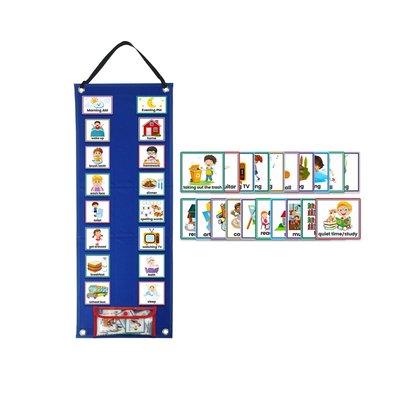
Kids Visual Schedule Hanging Routine Board
BEST PRE-MADE HANGING BOARD
Durable felt cloth wall organizer with transparent pockets and velcro backing. Allows kids to move cards physically to bottom pockets as tasks finish.
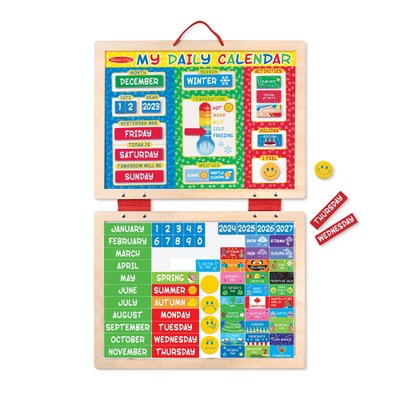
Melissa & Doug My First Daily Magnetic Calendar
BEST FOR CALENDAR & TIME MASTERY
Sturdy wooden magnetic calendar that makes days, dates, weather, and seasons tangible for visual learners. Thick wooden pieces easy for small fingers.
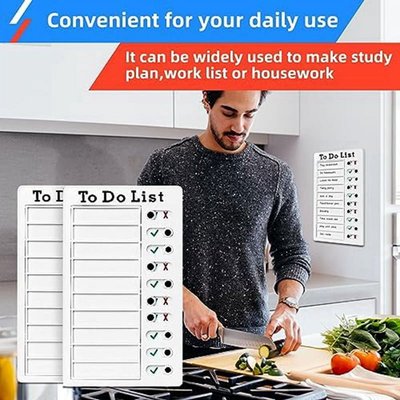
Interactive Sliding Chore Chart Checklist Task Board
BEST SATISFYING CHECKLIST SLIDER
Physical sliding toggles click from red to green checkmarks as tasks finish. Delivers instant tactile feedback for ADHD kids without messy dry-erase markers.

Scotch Thermal Laminator Plus (TL902)
BEST FOR CUSTOM PRINTABLE LONGEVITY
Warms up in under 4 minutes. Turns ordinary paper printable charts into durable, wipe-clean, spill-proof visual tools that last years with velcro dots.
📚 Evidence-Based Sources & Citations
Peer-reviewed literature, clinical frameworks, and foundational neurodiversity resources referenced in this guide.
- Occupational Therapy Practice Guidelines for Children and Youth with Challenges in Sensory Integration and Sensory Processing — American Occupational Therapy Association (AOTA)(2020)View Sourceopen_in_new
- Visual Supports and Behavioral Routines for Children on the Autism Spectrum — Journal of Autism and Developmental Disorders(2022)View Sourceopen_in_new
- How Visual Schedules Help Kids with ADHD and Executive Dysfunction Build Autonomy — Child Mind Institute(2024)View Sourceopen_in_new
- Externalizing Working Memory: Low-Demand Scaffolding in Neurodivergent Home Environments — Pediatric Neurodevelopment Review(2023)View Sourceopen_in_new
Join the Conversation
Get our monthly guide on sensory-aware parenting and neuro-inclusive home design delivered straight to your sanctuary.
Respecting your inbox and your peace of mind.
Leave a Reply
Your email address will not be published. Required fields are marked *