Autism Burnout in Children & Teens: Hidden Signs, Causes, and the 4-Step Recovery Plan
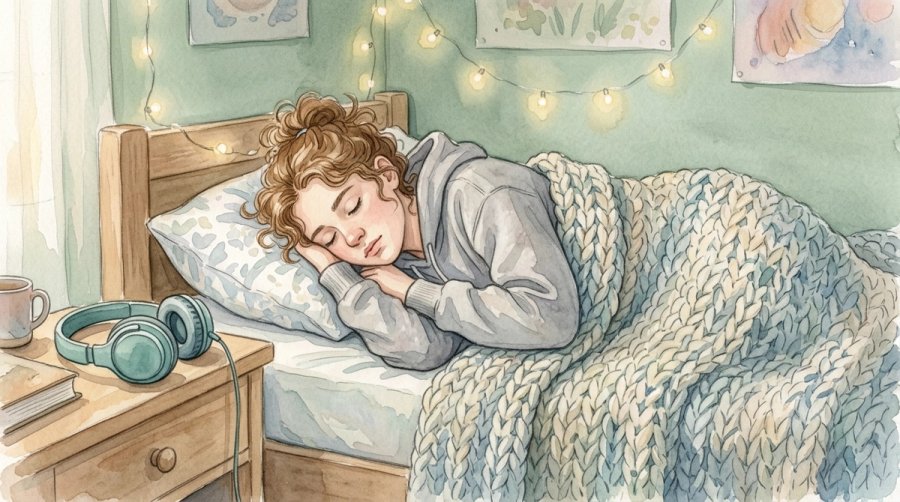
Autistic burnout is a chronic, systemic exhaustion caused by cumulative masking, sensory overload, and demand mismatch. Learn the 5 hidden signs of skill regression and how to implement a 4-step low-demand recovery plan.
Editorial Disclosure & Medical Scope: Sensory Kids Books shares neurodiversity-affirming, lived-experience insights and sensory-informed tools for parents, caregivers, and educators. This publication is for educational purposes only and does not constitute formal medical diagnosis, psychiatric evaluation, or clinical occupational therapy advice. Always consult a qualified pediatrician or licensed clinician for individual medical care. As an Amazon Associate, we earn from qualifying purchases through our independent affiliate links at zero extra cost to you.
Has your once-talkative, capable child suddenly stopped completing basic daily tasks, lost the ability to read or write without tears, or begun having explosive daily meltdowns over seemingly tiny requests?
When parents witness this sudden loss of skills, their first reaction is often deep panic. Many wonder if their child has developed clinical depression, regressed permanently, or simply decided to be 'uncooperative' and 'defiant.'
In the neurodivergent community, this devastating phenomenon has a name: Autistic Burnout.
As a parent navigating neurodivergence in my own household, I know how frightening burnout feels. Unlike a sensory meltdown (which is an acute, short-term explosion) or a shutdown (a temporary freeze), autistic burnout is a chronic, systemic battery drain that develops after months or years of masking, sensory overload, and navigating an environment with unrealistic expectations.
In this comprehensive guide, we will examine the groundbreaking science behind autistic burnout, the 5 hidden warning signs parents often miss, and the 4-step low-demand recovery protocol that safely restores your child's nervous system.
What Is Autistic Burnout? (The Clinical Definition)
In landmark research conducted by the Academic Autism Spectrum Partnership in Research and Education (AASPIRE), lead researcher Dr. Dora Raymaker defined autistic burnout as:
A state of pervasive mental, emotional, and physical exhaustion, loss of function, and reduced tolerance to stimulus resulting from the chronic cumulative load of life stressors and a mismatch of expectations and abilities without adequate support.
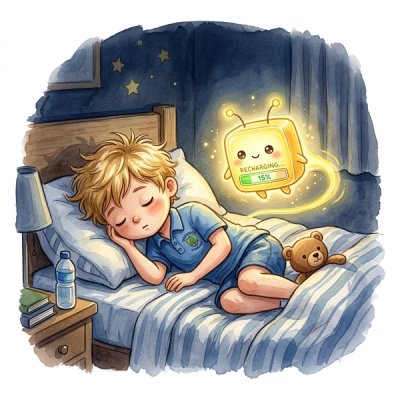
Think of your child's nervous system like a smartphone. Throughout a typical school day, multiple heavy apps are running simultaneously: social masking, filtering out fluorescent light hums, processing complex verbal instructions, and suppressing stims. When the battery drops to 0%, the phone doesn't just run slower—it forces a total emergency shutdown to protect the internal hardware.
Autistic Burnout vs. Depression vs. Meltdowns
It is vital to distinguish burnout from other conditions to avoid prescribing harmful 'push through it' behavioral therapy:
- Sensory Meltdown: An acute, sudden fight-or-flight crisis lasting 20–60 minutes caused by temporary sensory or emotional overwhelm.
- Autistic Shutdown: An acute dorsal vagal freeze state lasting hours where speech and motor speed temporarily go offline.
- Autistic Burnout: A chronic, long-term state lasting weeks, months, or years characterized by pervasive exhaustion, loss of established executive skills, and extreme intolerance to demands.
- Depression: Loss of interest in special interests (anhedonia). In autistic burnout, the child still deeply loves their special interests—they simply lack the physical energy and executive bandwidth to engage with them.
The 5 Hidden Signs of Autistic Burnout in Kids & Teens
Burnout does not happen overnight. Look for these 5 telltale clinical indicators:
1. Sudden Skill Regression (Losing Established Abilities)
A 10-year-old who previously dressed themselves, cooked simple meals, or excelled in reading suddenly cannot tie their shoes, organize a backpack, or complete a single worksheet. This is not defiance; the brain's executive functioning centers are physically depleted.
2. Extreme Sensory Hypersensitivity Spike
Sensory thresholds collapse during burnout. Sounds that were previously tolerable (the refrigerator hum, sibling laughter) now cause physical pain, leading to rapid overwhelm and ear-covering.
3. Increased Situational Mutism & Speech Exhaustion
Expressive speech takes immense neurological energy. Children in burnout often stop talking after school, communicate only in one-word whispers, or rely entirely on non-verbal texting.
4. Severe After-School Restraint Collapse & School Refusal
When a child exhausts all their reserve battery masking at school, they explode the moment they step through the front door—or develop intense panic attacks and physical stomachaches when getting ready for school.
5. Heightened Demand Avoidance (PDA Threat Responses)
Every micro-demand (brushing teeth, putting on socks, answering a question) triggers an immediate autonomic fight-or-flight panic response because the nervous system has zero bandwidth to spare.
The Root Causes: Why Do Autistic Children Reach Burnout?
Understanding the primary drivers of burnout allows parents to make structural life adjustments:
1. Chronic Masking & Camouflaging: Constantly forcing eye contact, suppressing natural stims, and mimicking neurotypical peers is exhausting.
2. The Sensory Gauntlet: Spending 7 hours daily in classrooms with fluorescent lighting, echoey gymnasiums, and crowded hallways.
3. Unrelenting Micro-Demands: Facing hundreds of daily verbal commands without downtime or personal autonomy.
4. Major Life Transitions: Moving from elementary to middle school, puberty hormones, or family relocations.
The 4-Step Low-Demand Burnout Recovery Protocol
You cannot 'discipline' or 'motivate' a child out of burnout. Recovery requires radical rest and nervous system protection:
Step 1: Radically Drop Demands (The 'Low-Demand Season')
Declare an intentional Low-Demand Season. Eliminate non-essential chores, pause extracurricular activities, use declarative language instead of direct commands, and simplify clothing routines to loose, soft fabrics.
Step 2: Sensory Fasting & Deep Rest Sanctuary
Provide hours of guilt-free sensory rest. Turn off overhead lights, provide noise-canceling headphones, and allow your child to retreat under heavy blankets without expecting social conversation.
Step 3: Energy Accounting & Spoons Management
Treat energy like a bank account. Track your child's 'Spoons' daily. If school costs 8 spoons and their battery only holds 10, ensure the remaining 2 spoons are protected for quiet recovery.
Step 4: Validate Special Interests as Neuro-Regulators
Special interests (hyper-fixations on Minecraft, dinosaurs, coding, or art) are not frivolous distractions—they are powerful nervous system co-regulators that stimulate natural dopamine pathways and restore mental energy.
Sensory Tools That Support Nervous System Recovery
Here are physical tools that provide deep restorative input during a burnout recovery season:
1. Deep Touch Pressure Weighted Sleep Blankets
Weighted blankets stimulate serotonin and melatonin release, reducing cortisol levels and facilitating restorative REM sleep.
2. Noise-Reducing Earplugs & Earmuffs
Dampening environmental background noise prevents constant auditory sensory drain during school and travel.
👉 shopping_cartFind Loop Earplugs on Amazon (loop quiet earplugs for sensory sensitivity) →open_in_new
3. Sensory Compression Body Socks
Provides 360-degree proprioceptive hugging resistance that recalibrates spatial awareness and soothes dysregulated muscles.
👉 shopping_cartCheck Body Socks on Amazon (sensory compression body sock for kids) →open_in_new
4. Calming Amber Dimmable Night Lights
Eliminating blue light and harsh ceiling glare promotes natural melatonin synthesis and nervous system relaxation.
👉 shopping_cartCheck Amber Night Lights on Amazon (amber warm night light for kids room) →open_in_new
Helpful Tools & Next Steps for Your Family
Equipping your home with supportive neuro-affirming frameworks makes recovery predictable and safe:
- 🔋 Free Autism Burnout Visual Recovery Guide & Planner: Download our printable weekly energy battery tracker, sensory overload symptom checklist, and low-demand recovery worksheets.
- 📘 The PDA & Low-Demand Parenting Workbook for Kids: Step-by-step co-regulation tools, autonomic nervous system check-ins, and collaborative routine systems for everyday peace.
- 📅 Free Printable Daily Routine Schedule: Establish low-demand visual routines with 'Must Do' and 'Maybe Do' options that reduce anxiety.
- 🗣️ Free Declarative Language / PDA Translator: Transform high-pressure demands into low-friction observations that bypass the nervous system threat response.
📚 Also check out our latest guide: Why Does My Child Cover Their Ears? A Guide to Auditory Sensory Overload.
 Instant PDF
Empty Battery: Understanding Autistic Burnout & Energy Limits
A Visual Story Explaining Autistic Burnout, Sensory Fatigue, and Needing a Quiet Break
Quick Answers for Parents & Educators
Recommended Sensory Products
Carefully curated products for a sensory-friendly environment.
Loop Experience Earplugs
SENSORY FRIENDLY
High-fidelity earplugs to reduce background noise without muffling voices.
Hatch Rest Sound Machine
SLEEP RECOVERY
Customizable sleep sounds to soothe the nervous system during burnout.
📚 Evidence-Based Sources & Citations
Peer-reviewed literature, clinical frameworks, and foundational neurodiversity resources referenced in this guide.
- Occupational Therapy Practice Framework: Domain and Process (4th Edition) — American Occupational Therapy Association (AOTA)(2020)View Sourceopen_in_new
- The Polyvagal Theory: Neurophysiological Foundations of Emotions, Attachment, Communication, and Self-Regulation — Dr. Stephen W. Porges, PhD(2011)View Sourceopen_in_new
- Understanding Pathological Demand Avoidance (PDA): Identifying Needs & Low-Demand Approaches — PDA Society UK(2023)View Sourceopen_in_new
- Sensory Processing Issues Explained: Supporting Children with Sensory Sensitivities — Child Mind Institute(2024)View Sourceopen_in_new
Join the Conversation
Get our monthly guide on sensory-aware parenting and neuro-inclusive home design delivered straight to your sanctuary.
Respecting your inbox and your peace of mind.
Leave a Reply
Your email address will not be published. Required fields are marked *