Can Cats Be Autistic? Understanding Feline Sensory Issues
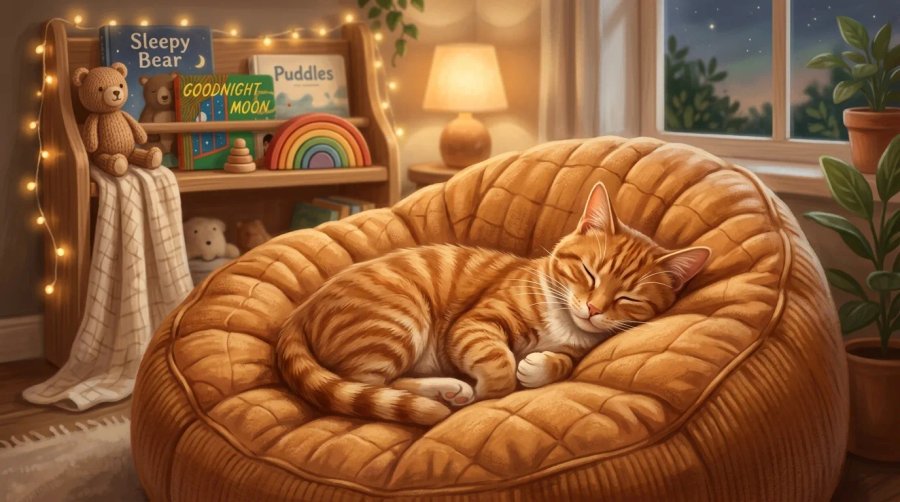
While cats cannot be clinically diagnosed with human autism, felines frequently display remarkable sensory sensitivities, routine dependency, and repetitive self-soothing behaviors that mirror human neurodivergence.
Editorial Disclosure & Medical Scope: Sensory Kids Books shares neurodiversity-affirming, lived-experience insights and sensory-informed tools for parents, caregivers, and educators. This publication is for educational purposes only and does not constitute formal medical diagnosis, psychiatric evaluation, or clinical occupational therapy advice. Always consult a qualified pediatrician or licensed clinician for individual medical care. As an Amazon Associate, we earn from qualifying purchases through our independent affiliate links at zero extra cost to you.
It’s 3:00 AM, and my orange tabby cat, Leo, is doing his nightly routine: pacing precisely from the edge of the rug to the kitchen tile, stopping to sniff the exact same corner of the cabinet, and repeating the loop. If I try to interrupt him or move the rug even an inch, he vocalizes in distress and refuses to settle down for hours.
As a technical architect who spends my days building complex systems—and as a parent who spends my evenings navigating neurodivergent meltdowns—I couldn't help but notice the striking parallels. The rigid need for routine, the extreme sensitivity to loud noises (like the vacuum cleaner), and the repetitive pacing... it all felt incredibly familiar.
It made me stop and wonder: Can cats actually be autistic?
If you've ever watched your feline friend hyper-focus on a spinning toy for forty-five minutes or completely shut down when their favorite scratching post is moved, you've probably asked yourself the same question.
Today, we're going to dive into the science behind feline behavior, why our pets often mirror human neurodivergence, and how understanding these sensory issues can actually help us become more empathetic, low-demand parents.
The Short Answer: Can a Cat Be Diagnosed with Autism?
Medically and scientifically speaking? No. Cats cannot be diagnosed with autism.
Autism Spectrum Disorder (ASD) is a complex, human-specific neurodevelopmental condition. The diagnostic criteria (like the DSM-5) rely heavily on human social constructs, verbal communication milestones, and cognitive assessments that simply don't translate to feline biology.
However, while a veterinarian cannot hand you an autism diagnosis for your cat, they willconfirm that cats can exhibit a massive range of "autistic-like" behaviors. In fact, many natural feline instincts overlap significantly with human neurodivergent traits.
4 Autistic-Like Behaviors in Cats (And Why They Happen)
If you are raising a neurodivergent child, you are already an expert in sensory processing and demand avoidance. You might recognize a few of these feline behaviors:
1. Extreme Sensory Sensitivities
Just like a child with sensory processing disorder might cover their ears in a crowded grocery store, cats have highly sensitive nervous systems. A cat's hearing is incredibly acute, and their whiskers are highly sensitive touch receptors. When a vacuum turns on, or a stranger tries to pet them too aggressively, a cat can quickly become overstimulated and experience the feline equivalent of a sensory meltdown—usually resulting in them hiding under the bed or lashing out.
2. A Rigid Need for Routine
Many autistic children rely on visual schedules and strict routines to feel safe. Cats are exactly the same. They thrive on predictability. If you change their feeding time, rearrange the living room furniture, or bring a new piece of noisy equipment into the house, it can cause them immense anxiety.
*(Side note: If you are struggling to build a predictable, low-demand routine for your child, I highly recommend downloading our Free Sensory-Friendly Daily Planner. It’s designed specifically to reduce this exact type of transition anxiety).*
3. Repetitive Behaviors (Stimming)
In human children, vocal stimming, hand-flapping, or rocking are vital self-regulation tools. Cats also have repetitive behaviors that help them self-soothe. You might see a cat obsessively grooming themselves, kneading blankets (making biscuits), or pacing in specific patterns when they are stressed or trying to regulate their nervous system.
4. Social Differences and "Aloofness"
Autistic individuals often communicate and socialize differently than neurotypical people. Cats are frequently stereotyped as "aloof" or "antisocial" simply because they don't wag their tails and greet you at the door like a Golden Retriever. In reality, cats are highly affectionate—they just communicate their love differently (like a slow blink across the room or sitting quietly in the same room as you).
What Does This Mean for Neurodivergent Parenting?
You might be thinking, "Hassan, this is a blog about neurodivergent parenting. Why are we talking about cats?"
Because animals provide one of the most beautiful, organic ways to teach empathy to our children.
When my child experiences a spike in Pathological Demand Avoidance (PDA) or feels overwhelmed by the noise of the house, we often look at the cat.
I'll say, "Look at Leo. The TV is too loud for his sensitive ears, so he went to hide in his dark, quiet tent. It's okay if you need to do that too."
Validating a child's sensory needs is incredibly difficult in a world that demands compliance. But when a child sees that their beloved pet also gets overwhelmed, needs a strict routine, and uses repetitive motions to self-soothe, it normalizes their own experience. It removes the shame.
*(If you are personally feeling the weight of managing these daily sensory needs, you are not alone. Please take a moment to read our Autism Burnout Visual Guide & Recovery Plannerto make sure you are protecting your own nervous system).*
When to See a Vet
While we can draw beautiful parallels between feline behavior and neurodivergence, it's crucial to remember that sudden behavioral changes in cats are often medical red flags.
If your cat suddenly starts pacing obsessively, over-grooming to the point of bald spots, or aggressively avoiding touch, do not just write it off as a quirky personality trait. These are often signs of pain, severe anxiety, or underlying medical conditions (like hyperthyroidism or arthritis). Always consult your veterinarian to rule out physical distress.
Final Thoughts: Empathy Across Species
Cats can't be autistic. But they are highly sensitive, routine-oriented creatures that demand their boundaries be respected.
In many ways, raising a happy, well-regulated cat requires the exact same skills as raising a happy, well-regulated neurodivergent child: You have to lower your demands, respect their sensory limits, provide a predictable environment, and learn to speak their unique language.
And honestly? The world would be a much better place if we treated human boundaries with the same respect we give to a cat who clearly doesn't want to be petted.
What "autistic-like" traits does your pet have? Have you ever used your pet to help explain sensory needs to your child? Let me know!
 Instant PDF
Emotion Monsters: Name & Tame Big Feelings
A Sensory-Friendly Book About Identifying and Coping with Big Feelings for Autistic Kids
Quick Answers for Parents & Educators
Recommended Sensory Products
Carefully curated products for a sensory-friendly environment.

Weighted Lap Pad
BEST FOR FOCUS
Providing 5lbs of gentle pressure to help children stay grounded during long reading sessions.

Dimmable Warm LED
SENSORY FRIENDLY
Flicker-free technology with adjustable color temperatures to prevent eye strain.
📚 Evidence-Based Sources & Citations
Peer-reviewed literature, clinical frameworks, and foundational neurodiversity resources referenced in this guide.
- Occupational Therapy Practice Framework: Domain and Process (4th Edition) — American Occupational Therapy Association (AOTA)(2020)View Sourceopen_in_new
- The Polyvagal Theory: Neurophysiological Foundations of Emotions, Attachment, Communication, and Self-Regulation — Dr. Stephen W. Porges, PhD(2011)View Sourceopen_in_new
- Understanding Pathological Demand Avoidance (PDA): Identifying Needs & Low-Demand Approaches — PDA Society UK(2023)View Sourceopen_in_new
- Sensory Processing Issues Explained: Supporting Children with Sensory Sensitivities — Child Mind Institute(2024)View Sourceopen_in_new
Join the Conversation
Get our monthly guide on sensory-aware parenting and neuro-inclusive home design delivered straight to your sanctuary.
Respecting your inbox and your peace of mind.
Leave a Reply
Your email address will not be published. Required fields are marked *