The Ultimate Printable ADHD Morning Routine Chart for Kids
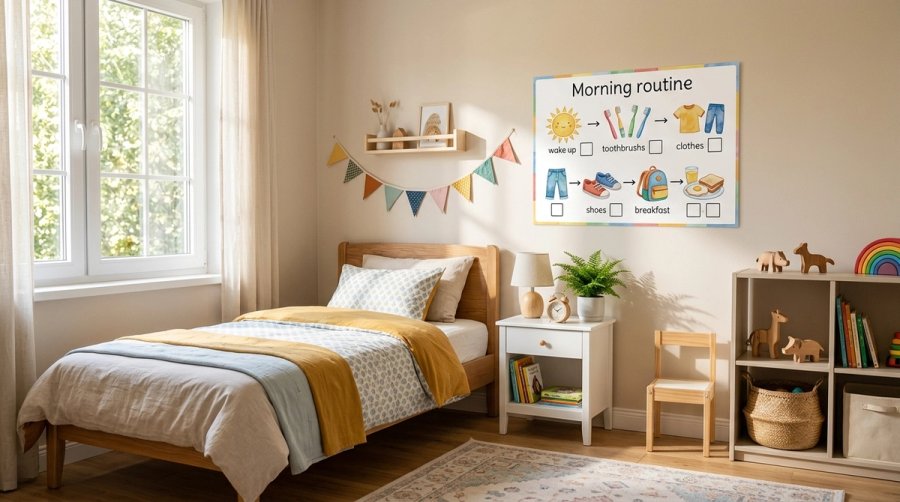
A printable ADHD morning routine chart breaks overwhelming multi-step routines into visual, low-demand chunks with checkboxes that stimulate natural dopamine and conquer executive dysfunction.
Editorial Disclosure & Medical Scope: Sensory Kids Books shares neurodiversity-affirming, lived-experience insights and sensory-informed tools for parents, caregivers, and educators. This publication is for educational purposes only and does not constitute formal medical diagnosis, psychiatric evaluation, or clinical occupational therapy advice. Always consult a qualified pediatrician or licensed clinician for individual medical care. As an Amazon Associate, we earn from qualifying purchases through our independent affiliate links at zero extra cost to you.
If you have a child with ADHD, you already know that mornings can be a nightmare. Before the sun is even fully up, you are repeating yourself for the tenth time: "Put your shoes on! Did you brush your teeth? Why is your backpack empty?"
It took me years to realize that my child wasn’t being defiant. They were experiencing intense executive dysfunction and "time blindness." The abstract concept of "getting ready" was simply too overwhelming for their brain to sequence. The solution? Externalizing the sequence using the ultimate printable ADHD morning routine chart for kids.
Why Visual Charts Cure Time Blindness
The ADHD brain struggles with working memory. When you give a three-step verbal instruction, by the time they finish step one, steps two and three have completely evaporated. A visual routine chart takes the burden off their working memory. They don’t have to remember what comes next; they just have to look at the picture.
How to Implement Your Routine Chart Effectively
1. Keep it Short: Do not put 15 items on the chart. Start with the "non-negotiable" Big 4: Toilet, Clothes, Breakfast, Teeth. That’s it.
2. Make it Interactive: The ADHD brain runs on dopamine. Simply reading a list isn't rewarding. They need to check a box, move a velcro tab, or slide a magnet. This physical action provides a micro-hit of dopamine that propels them to the next task.
💡 My Top Morning Tools: To supercharge your morning, I highly recommend pairing your printable chart with a shopping_cartVisual Countdown Timeropen_in_newto make the passage of time visible. Waking up is also notoriously hard for our kids, so replacing a jarring alarm with a gentle shopping_cartSunrise Wake-Up Lightopen_in_newis life-changing. If you prefer a physical board over a paper printable, this shopping_cartMagnetic Visual Schedule Boardopen_in_newis fantastic. You can find all my curated Amazon affiliate picks below!
The Ultimate Resource: The ADHD & PDA Anti-Planner
If you want a ready-to-go, beautifully designed solution, you need to check out our comprehensive digital toolkit. The ADHD and PDA Anti-Plannerisn’t just another generic planner. It is specifically designed to bypass the demand avoidance and executive dysfunction that paralyzes neurodivergent kids in the morning. It includes customizable visual schedules, token boards, and low-demand transition tools that actually work.
📖 Related reading: The Ultimate Pathological Demand Avoidance Checklist
🎒 Shopping for older kids? Read our comprehensive review of The 3 Best Sensory-Friendly Planners for ADHD Teens that actually conquer task paralysis.
 Instant PDF
The ADHD & PDA Anti-Planner
An Undated, Low-Demand Gamified Planner & Focus Journal for Neurodivergent Minds
Quick Answers for Parents & Educators
Recommended Sensory Products
Carefully curated products for a sensory-friendly environment.

60-Minute Visual Countdown Timer
CURES TIME BLINDNESS
The disappearing red disk makes time concrete for children with ADHD, reducing transition anxiety.
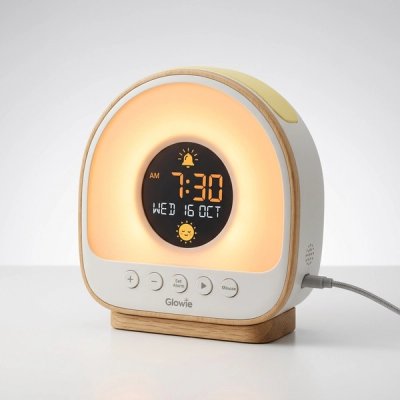
Sunrise Wake-Up Light Alarm
GENTLE WAKE UP
Simulates a natural sunrise to gently wake up the sensory-sensitive brain without harsh alarms.
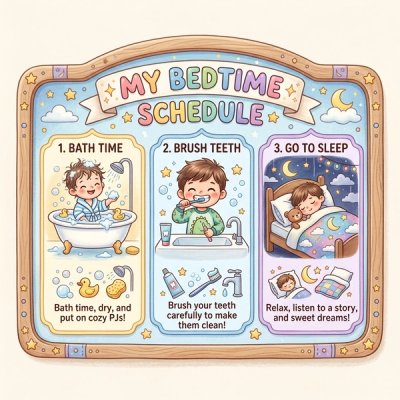
Magnetic Visual Schedule Board
REUSABLE ESSENTIAL
A durable, interactive board for checking off morning tasks. A massive dopamine booster!
📚 Evidence-Based Sources & Citations
Peer-reviewed literature, clinical frameworks, and foundational neurodiversity resources referenced in this guide.
- Occupational Therapy Practice Framework: Domain and Process (4th Edition) — American Occupational Therapy Association (AOTA)(2020)View Sourceopen_in_new
- The Polyvagal Theory: Neurophysiological Foundations of Emotions, Attachment, Communication, and Self-Regulation — Dr. Stephen W. Porges, PhD(2011)View Sourceopen_in_new
- Understanding Pathological Demand Avoidance (PDA): Identifying Needs & Low-Demand Approaches — PDA Society UK(2023)View Sourceopen_in_new
- Sensory Processing Issues Explained: Supporting Children with Sensory Sensitivities — Child Mind Institute(2024)View Sourceopen_in_new
Join the Conversation
Get our monthly guide on sensory-aware parenting and neuro-inclusive home design delivered straight to your sanctuary.
Respecting your inbox and your peace of mind.
Leave a Reply
Your email address will not be published. Required fields are marked *