7 Calming Sensory Bin Ideas You Can Make at Home on a Budget
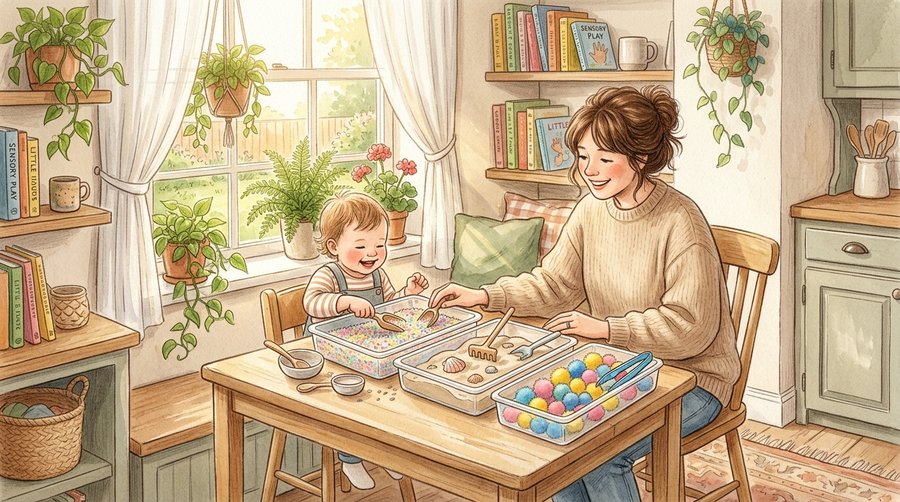
Turn everyday pantry staples into peaceful quiet-time play. Discover 7 budget-friendly DIY sensory bin recipes, the fitted sheet clean-up hack, and the best fine motor tools.
Editorial Disclosure & Medical Scope: Sensory Kids Books shares neurodiversity-affirming, lived-experience insights and sensory-informed tools for parents, caregivers, and educators. This publication is for educational purposes only and does not constitute formal medical diagnosis, psychiatric evaluation, or clinical occupational therapy advice. Always consult a qualified pediatrician or licensed clinician for individual medical care. As an Amazon Associate, we earn from qualifying purchases through our independent affiliate links at zero extra cost to you.
⚡ Quick Takeaway & Summary for Parents: You don't need expensive specialty kits or high-end therapy equipment to give your child the grounding benefits of sensory play. Calming sensory bins work through rhythmic, repetitive tactile exploration—scooping, pouring, burying, and molding—which naturally slows down racing evening energy and encourages peaceful independent play. With everyday pantry staples like flour, rice, rolled oats, and water, you can assemble seven captivating, mess-contained sensory bins in under five minutes for less than $5 each. In this guide, I share my favorite low-mess recipes, genius clean-up hacks (like the fitted sheet trick), and the best child-safe fine motor tools to keep little hands happily engaged.
It is 4:30 PM on a rainy Tuesday. Your kids are restless, bouncy, and bouncing off the living room walls. The screen-time limit has been reached, the toys are scattered across the floor, and you just need twenty minutes of peaceful, focused calm to prepare dinner or drink a warm cup of coffee.
Enter the humble sensory bin. As a parent who loves practical, low-stress solutions, I consider DIY sensory bins one of the best tools in our home play arsenal. There is something deeply grounding about the physical sensations of cool smooth stones, silky cloud dough, or flowing grains of rice trickling through tiny fingers.
When children engage in tactile play, they aren't just having fun—they are building hand-eye coordination, strengthening the tiny intrinsic muscles in their fingers needed for pencil grip, and practicing mindful focus through rhythmic scooping and pouring. Best of all, you don't have to spend $40 on pre-made plastic sensory kits. Everything you need is already in your pantry or dollar store aisle.
The Golden Rules of Low-Mess Sensory Play
The number one reason parents hesitate to make sensory bins is the fear of cleaning up 4,000 grains of rice from the hardwood floor. Here are three simple structural habits that keep sensory bin play 100% stress-free:
1. The "Fitted Bed Sheet" Hack: Before setting down any sensory bin, spread an old twin fitted bed sheet upside down on the living room rug or kitchen floor. Place four heavy books in the corners to pop the elastic edges up into small 4-inch side walls. This creates an instant contained play arena. Any spilled rice or sand stays trapped on the sheet; when playtime ends, simply gather the four corners and funnel everything right back into the container in 10 seconds flat.
2. Use Shallow, Wide Lidded Totes: Skip deep buckets where kids have to reach down awkwardly. Instead, use shallow 15-to-28 quart clear plastic storage boxes (approx. 6 inches deep). The wide surface area lets two children play side-by-side without jostling, and the snap-on lid means you can store the filled bin in a closet for months of replay.
3. Establish the "Play Stays in the Tray" Rule: Before opening the lid, teach a simple, fun verbal rhyme: "Hands explore, scoops pour, but everything stays on the floor!" If materials get tossed, calmly close the lid for a 2-minute reset pause. Kids quickly learn that gentle play keeps the bin open.
1. The "Velvet Cloud Dough" Soothing Touch Bin
Cloud dough has an ethereal, velvety texture that feels like a cross between soft powdered sugar and damp kinetic beach sand. It holds its shape beautifully when packed into cookie cutters or silicone molds, yet melts into silky powder the moment a child crushes it in their palms.
🥣 Quick Recipe & Setup — Velvet Cloud Dough
⏱️ Prep Time: 4 minutes
📦 Base Ingredients: 4 cups all-purpose flour (or cornstarch) + 1/2 cup baby oil (or coconut oil / canola oil for a taste-safe version).
💡 How to Make: Pour flour into a bowl, add the oil, and knead with your hands for 2 minutes until evenly incorporated. When squeezed in your fist, it forms a solid ball; when pressed with a thumb, it crumbles effortlessly.
Why It's Calming: The tactile contrast between solid and crumbly provides rich tactile feedback. Adding a couple of drops of natural lavender extract or vanilla turns this into a delightful aromatic quiet-time station.
Tools to Add: Silicone cupcake liners, wooden rolling pins, metal cookie cutters, and plastic butter knives for soft slicing.
2. The "Pastel Rainbow Rice" Waterfall & Scooping Station
Rainbow rice is the undisputed classic of sensory play. The sound of dry rice cascading through funnels and into metal measuring cups mimics the soothing auditory patter of gentle rain, creating an acoustic backdrop that naturally calms an overstimulated room.
🥣 Quick Recipe & Setup — Vibrant Rainbow Rice
⏱️ Prep Time: 5 minutes prep (dries in 45 minutes)
📦 Base Ingredients: 4 cups uncooked white rice, 2 tablespoons white vinegar (or hand sanitizer), 10–15 drops liquid food coloring (or gel colors).
💡 How to Make: Divide rice into gallon ziplock bags. Add 1/2 tablespoon vinegar and food coloring to each bag. Seal tightly and shake vigorously until every grain is coated. Spread onto a baking sheet lined with parchment paper to dry for 45 minutes. The vinegar smell completely vanishes once dry!
Why It's Calming: The repetitive motion of scooping and watching the grains flow engages visual tracking and rhythmic hand movements, helping restless energy settle down.
Tools to Add: Kitchen funnels, small plastic measuring spoons, empty cardboard egg cartons for sorting, and fine motor squeeze scoopers.
⭐ Recommended Tool: Learning Resources Helping Hands Fine Motor Tool Set (Best Sensory Bin Fine Motor Tools)
The ultimate 4-piece sensory tool set: includes Handy Scoopers, Twisty Droppers, Squeezy Tweezers, and Gator Grabbers. Built specifically for little hands to strengthen fine motor grip during sensory bin play.
shopping_cart👉 Check Price on Amazon (paid link)open_in_new
3. The "Ocean Calm" Water, Ice & Floating Sponge Bin
Water play is inherently therapeutic. When children are dysregulated, warm or cool water acts like an immediate nervous system reset button. This ocean-themed bin combines the temperature contrast of floating ice cubes with the soft squish of cut kitchen sponges.
🥣 Quick Recipe & Setup — Ocean Water Rescue
⏱️ Prep Time: 3 minutes
📦 Base Ingredients: Lukewarm water, 1 drop blue food coloring, 1 tray of ice cubes, 2 kitchen sponges cut into small fish and star shapes.
💡 How to Make: Fill a shallow storage tray with 2 inches of water and add a single drop of blue food color. Float the ice cubes and sponge shapes across the surface.
Why It's Calming: The temperature transition as the ice slowly melts and the physical resistance of wringing water out of sponges gives heavy proprioceptive feedback to tiny hands.
Tools to Add: Whirly suction toys stuck to the bottom or sides of the bin, small plastic colanders, turkey basters, and cups for pouring.
⭐ Recommended Tool: Fat Brain Toys Whirly Squigz Silicone Suction Play Set (Best Water Bin Suction Toy)
Made of 100% food-grade silicone with smooth ball-bearing spinners. Suctions securely to plastic sensory tubs, highchair trays, or bathtubs for mesmerizing spinning water play.
shopping_cart👉 Check Price on Amazon (paid link)open_in_new
4. The "Zero-Mess Soft Touch" Pom-Pom & Feather Sorting Bin
Not all children enjoy sticky, wet, or powdery textures. For kids who are texture-sensitive or for days when you want zero vacuuming, this fluffy, featherweight bin is a dream. It provides pure softness with absolutely zero residue on the hands.
🥣 Quick Recipe & Setup — Fluffy Cloud & Feather Bin
⏱️ Prep Time: 2 minutes
📦 Base Ingredients: 1 large bag of multi-colored craft pom-poms (opt for calming pastels like sky blue, mint green, blush, and lavender) + 1 pack of soft craft feathers.
💡 How to Make: Pour pom-poms and feathers directly into a clean storage bin. Add an empty plastic ice cube tray or silicone muffin cups.
Why It's Calming: Gentle tactile input without messy cleanup. Children can pick up pom-poms with large tweezers and sort them into matching color cups, creating a peaceful, mindful rhythm.
Tools to Add: Jumbo plastic tweezers, empty clean water bottles (pushing pom-poms through the narrow neck is great for motor focus), and small tongs.
🎨 Visual Daily Routine & Play Schedule Pack (Printable Kit)
Need an easy way to build calm daily rhythms, sensory play rotations, and smooth bedtime routines without power struggles? Explore our 80+ printable routine cards and morning-to-night checklist boards.
👉 Get the Visual Daily Routine Pack ($7.99 / $14.99)
5. The "Warm Oatmeal & Buried Treasures" Excavation Bin
Dry rolled oats are an inexpensive, pantry-friendly sensory medium that provides deep, comforting tactile resistance. Kids love sinking their forearms into the oats to unearth hidden treasures.
🥣 Quick Recipe & Setup — Pantry Oatmeal Treasure Hunt
⏱️ Prep Time: 3 minutes
📦 Base Ingredients: 2 large containers of generic rolled oats (approx. 6–8 cups) + smooth polished river stones, large buttons, or shiny glass craft beads.
💡 How to Make: Pour dry oats into the container. Bury 15 to 20 smooth stones and gems beneath the surface at varying depths.
Why It's Calming: Burrowing hands through heavy rolled oats provides deep tactile pressure. The mystery of feeling for hidden objects beneath the surface keeps children immersed in quiet, sustained problem-solving.
Tools to Add: Small flour sifters, mini wooden scoops, magnifying glasses, and a mini treasure box or egg carton to hold collected gems.
6. The "Zen Garden" Kinetic Sand Sculpting Station
If you haven't played with kinetic sand as an adult, you are missing out. Unlike regular beach sand, kinetic sand is coated with a non-toxic polymer that allows it to stick only to itself—never to hands, clothing, or furniture. It flows in slow motion and can be sliced like soft fudge.
🥣 Quick Recipe & Setup — Calming Kinetic Zen Garden
⏱️ Prep Time: 1 minute
📦 Base Ingredients: 2 to 3 lbs of natural Kinetic Sand + smooth flat river stones + miniature wooden forks or bamboo rakes.
💡 How to Make: Empty kinetic sand into a shallow tray. Smooth the surface flat with a rolling pin and place smooth stones across the perimeter.
Why It's Calming: The hypnotic, slow-motion flow of kinetic sand is universally soothing. Raking patterns into the sand and slicing dense blocks with a wooden spatula provides hours of tranquil, independent focus.
Tools to Add: Miniature sand stamps, silicone castle molds, wooden pastry rollers, and plastic dough scrapers.
⭐ Recommended Tool: Kinetic Sand The Original Moldable Sensory Play Sand (3 lbs) (Best Mess-Free Moldable Tactile Medium)
The gold standard of sensory sand. Never dries out, made with natural sand, wheat-, gluten-, and casein-free. Sticks to itself for effortless zero-mess cleanup.
shopping_cart👉 Check Price on Amazon (paid link)open_in_new
7. The "Botanical Nature Walk" Scented Herb & Pinecone Bin
Bring the outdoors inside. This earth-toned bin combines natural organic textures collected from your backyard with fragrant dried herbs from the kitchen cupboard, offering an earthy, grounding multisensory experience.
🥣 Quick Recipe & Setup — Earthy Nature Walk Bin
⏱️ Prep Time: 5 minutes
📦 Base Ingredients: Base of dried green split peas or brown lentils (3 cups) + dried pinecones (washed and dried in the oven) + dried lavender buds, rosemary sprigs, or chamomile tea.
💡 How to Make: Pour split peas into the tray. Scatter pinecones, smooth garden pebbles, small pieces of clean tree bark, and fresh or dried herbal sprigs throughout.
Why It's Calming: The earthy colors (sage greens, deep browns, warm tans) are easy on the eyes, while the natural aromatherapy of lavender and rosemary promotes a peaceful, grounded atmosphere.
Tools to Add: Small terracotta or silicone planting pots, wooden tongs, mini trowels, and plastic tweezers.
⭐ Recommended Tool: Sterilite Clear Lidded Shallow Sensory Activity Container (Best Stackable Sensory Bin Container)
The ideal base for all DIY sensory bins. Heavy-duty clear plastic with secure snap-on handles and stackable lid. Measures 6 inches deep to keep fillers neatly contained.
shopping_cart👉 Check Price on Amazon (paid link)open_in_new
Pairing Sensory Play with Daily Family Rhythms
The best time to offer a calming sensory bin is during predictable daily transition windows: right after getting home from school, during the pre-dinner "witching hour," or as part of a quiet weekend morning ritual.
To build consistent morning, afternoon, and bedtime rhythms for your family, test our free interactive Visual Daily Routine Schedule Generator to create custom picture charts in minutes.
If you'd like to map out a balanced daily menu of sensory activities (combining heavy work, movement, and quiet tactile play), explore our free Sensory Diet Schedule Generator.
🎨 The ADHD & PDA Anti-Planner: Visual Executive Function Workbook
Designed for creative, easily overwhelmed minds. Features dopamine menus, visual checklists, and low-demand daily planners that make task management fun and friction-free.
👉 Explore The Anti-Planner ($8.99)
Simple Ingredients, Lasting Memories
You don't need a sprawling playroom, a huge budget, or hours of prep work to create engaging, memorable experiences for your children. A bag of rice, a cup of flour, and a few kitchen spoons can open the door to hours of focused creativity, quiet connection, and joyful giggles.
Pick one recipe from this list, gather your supplies in five minutes, lay down a bed sheet, and watch your child's imagination take flight. Happy playing!
 Instant PDF
The PDA & Low-Demand Parenting Workbook for Kids
A Declarative Language & Co-Regulation Guide to Reduce Meltdowns, Build Autonomy, and Navigate Daily Routines with Pathological Demand Avoidance
Recommended Sensory Products
Carefully curated products for a sensory-friendly environment.
Learning Resources Helping Hands Fine Motor Tool Set
Best Sensory Bin Fine Motor Tools
The ultimate 4-piece sensory tool set: includes Handy Scoopers, Twisty Droppers, Squeezy Tweezers, and Gator Grabbers. Built specifically for little hands to strengthen fine motor grip during sensory bin play.
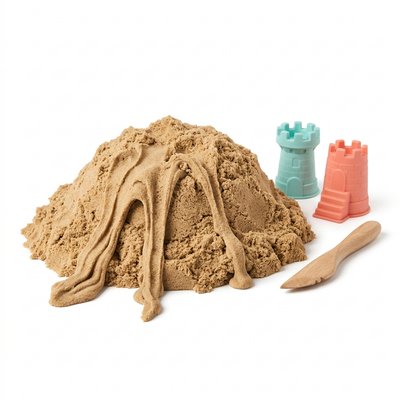
Kinetic Sand The Original Moldable Sensory Play Sand (3 lbs)
Best Mess-Free Moldable Tactile Medium
The gold standard of sensory sand. Never dries out, made with natural sand, wheat-, gluten-, and casein-free. Sticks to itself for effortless zero-mess cleanup.
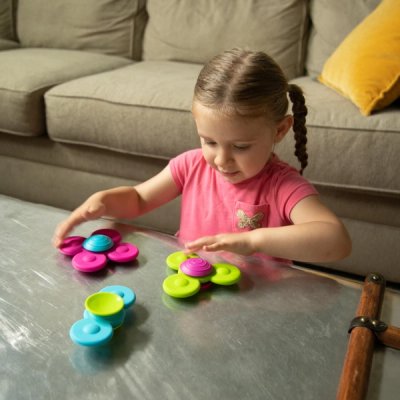
Fat Brain Toys Whirly Squigz Silicone Suction Play Set
Best Water Bin Suction Toy
Made of 100% food-grade silicone with smooth ball-bearing spinners. Suctions securely to plastic sensory tubs, highchair trays, or bathtubs for mesmerizing spinning water play.
Sterilite Clear Lidded Shallow Sensory Activity Container
Best Stackable Sensory Bin Container
The ideal base for all DIY sensory bins. Heavy-duty clear plastic with secure snap-on handles and stackable lid. Measures 6 inches deep to keep fillers neatly contained.
📚 Evidence-Based Sources & Citations
Peer-reviewed literature, clinical frameworks, and foundational neurodiversity resources referenced in this guide.
- Occupational Therapy Practice Framework: Domain and Process (4th Edition) — American Occupational Therapy Association (AOTA)(2020)View Sourceopen_in_new
- The Polyvagal Theory: Neurophysiological Foundations of Emotions, Attachment, Communication, and Self-Regulation — Dr. Stephen W. Porges, PhD(2011)View Sourceopen_in_new
- Understanding Pathological Demand Avoidance (PDA): Identifying Needs & Low-Demand Approaches — PDA Society UK(2023)View Sourceopen_in_new
- Sensory Processing Issues Explained: Supporting Children with Sensory Sensitivities — Child Mind Institute(2024)View Sourceopen_in_new
Join the Conversation
Get our monthly guide on sensory-aware parenting and neuro-inclusive home design delivered straight to your sanctuary.
Respecting your inbox and your peace of mind.
Leave a Reply
Your email address will not be published. Required fields are marked *