Autism & OCD: How to Manage Intrusive Thoughts & Sensory Compulsions
Is it an autistic need for routine, or is it OCD? When autism and OCD overlap, it creates a confusing mix of sensory regulation and anxiety-driven compulsions. Learn how to tell the difference and support your child.
Editorial Disclosure & Medical Scope: Sensory Kids Books shares neurodiversity-affirming, lived-experience insights and sensory-informed tools for parents, caregivers, and educators. This publication is for educational purposes only and does not constitute formal medical diagnosis, psychiatric evaluation, or clinical occupational therapy advice. Always consult a qualified pediatrician or licensed clinician for individual medical care. As an Amazon Associate, we earn from qualifying purchases through our independent affiliate links at zero extra cost to you.
When my child first started insisting that their bedroom door be shut exactly three times before bed, I assumed it was just another autistic routine. We autistic individuals love predictability, right? But then the tears started. If I accidentally interrupted the routine, panic didn’t just set in—absolute terror took over.
It wasn’t just a routine anymore. It was OCD.
The Core Difference: Comfort vs. Fear
The overlap between Autism and Obsessive-Compulsive Disorder (OCD) is incredibly common, but historically misunderstood. Both involve repetitive behaviors and a rigid need for things to be "just right." But the internal motivation is entirely different.
- Autistic Routines & Stims: These are performed to regulate the nervous system, process sensory input, or create a feeling of joy and predictability. They feel good to the person.
- OCD Compulsions: These are performed to neutralize a terrifying, intrusive thought or prevent a catastrophic "bad" outcome. They are driven purely by fear.
Sensory Compulsions
Where it gets tricky is "Sensory OCD." Sometimes an autistic person will engage in a repetitive behavior simply because their body doesn't feel "just right." They aren't afraid their house will burn down; they just feel extreme physical discomfort until the sensory itch is scratched.
If your child struggles with harmful sensory compulsions (like biting their nails or skin until they bleed because of a "just right" feeling), redirecting to a safe sensory tool like a shopping_cartChewelry Sensory Necklaceopen_in_new can be a game-changer. (Check Price on Amazon)
Why Traditional OCD Therapy Can Hurt
The gold-standard treatment for OCD is Exposure and Response Prevention (ERP). However, applying strict ERP to an autistic child can be disastrous if the behavior is actually a needed sensory stim. Similar to AuDHD burnout, stripping an autistic person of their coping mechanisms without replacing them will lead to severe meltdowns.
Instead, focus on lowering overall baseline anxiety. Build deep predictability into your home using a shopping_cartMagnetic Visual Schedule Boardopen_in_new. When the autistic nervous system feels safe, OCD spikes often decrease in severity. (Check Price on Amazon)
Related Guide: Somatic Grounding: Stop Sensory Overload Without Words
Related Guide: How to Build an ADHD Dopamine Menu to Beat Task Paralysis
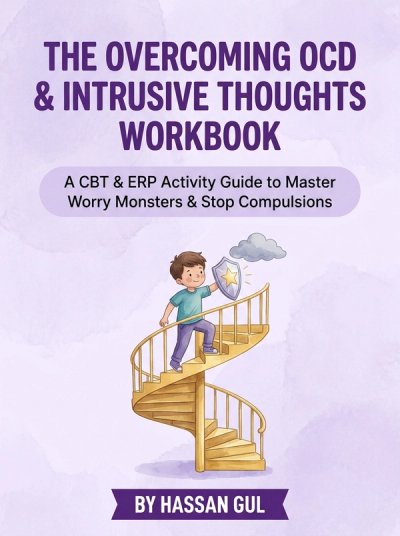 Instant PDF
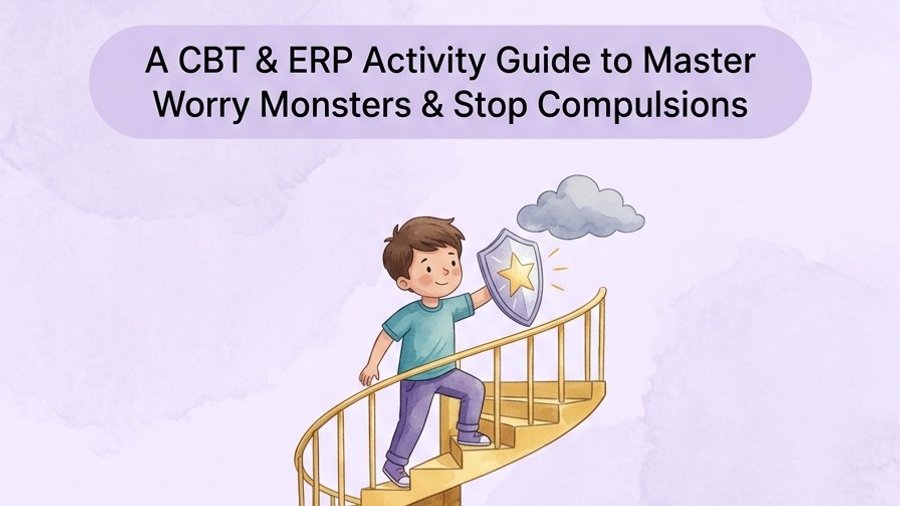
The Overcoming OCD & Intrusive Thoughts Workbook for Kids & Teens
A CBT & ERP Activity Guide to Master Worry Monsters, Stop Mental Compulsions, and Reclaim Peace of Mind (Ages 7–16)
Recommended Sensory Products
Carefully curated products for a sensory-friendly environment.
A safe, anxiety-reducing oral sensory tool to help redirect repetitive OCD biting compulsions.
Helps create predictable autistic routines to reduce the anxiety that triggers OCD spikes.
📚 Evidence-Based Sources & Citations
Peer-reviewed literature, clinical frameworks, and foundational neurodiversity resources referenced in this guide.
- Occupational Therapy Practice Framework: Domain and Process (4th Edition) — American Occupational Therapy Association (AOTA)(2020)View Sourceopen_in_new
- The Polyvagal Theory: Neurophysiological Foundations of Emotions, Attachment, Communication, and Self-Regulation — Dr. Stephen W. Porges, PhD(2011)View Sourceopen_in_new
- Understanding Pathological Demand Avoidance (PDA): Identifying Needs & Low-Demand Approaches — PDA Society UK(2023)View Sourceopen_in_new
- Sensory Processing Issues Explained: Supporting Children with Sensory Sensitivities — Child Mind Institute(2024)View Sourceopen_in_new
Join the Conversation
Get our monthly guide on sensory-aware parenting and neuro-inclusive home design delivered straight to your sanctuary.
Respecting your inbox and your peace of mind.
Leave a Reply
Your email address will not be published. Required fields are marked *