5 Calming After-School Transition Activities That Help Kids Decompress Without Meltdowns

Stop the 3:30 PM collapse. Discover 5 calming after-school transition activities, the 30-minute zero-demands buffer, and sensory snacks that help kids decompress peacefully without meltdowns.
Editorial Disclosure & Medical Scope: Sensory Kids Books shares neurodiversity-affirming, lived-experience insights and sensory-informed tools for parents, caregivers, and educators. This publication is for educational purposes only and does not constitute formal medical diagnosis, psychiatric evaluation, or clinical occupational therapy advice. Always consult a qualified pediatrician or licensed clinician for individual medical care. As an Amazon Associate, we earn from qualifying purchases through our independent affiliate links at zero extra cost to you.
⚡ Quick Takeaway & Summary for Parents: If your child holds it together all day at school only to erupt into tears, anger, or total exhaustion the minute they walk through the front door, you are experiencing the "after-school collapse." After 7 hours of filtering fluorescent lights, navigating peer dynamics, sitting upright, and following instructions, their cognitive battery is completely drained. Demanding homework or peppering them with twenty questions at 3:30 PM only triggers an emotional meltdown. By establishing a 30-minute "zero demands" buffer, offering regulating crunchy snacks, providing calming deep touch pressure, and setting up enclosed cozy retreat zones, you transform afternoon battles into a peaceful, restorative haven.
The school bell rings at 3:00 PM. When you greet your child's teacher at pick-up, she smiles warmly: "He was an absolute angel today! So polite, followed every rule, and helped tidy up the art table." You breathe a sigh of relief, proud of your wonderful kid.
Ten minutes later, you step through the front door. You ask a simple, friendly question: "How was your spelling test today?" Suddenly, your child hurls their backpack across the entryway, screams "I HATE SPELLING!", and bursts into uncontrollable sobbing over a broken granola bar.
You stand there bewildered, thinking: "What did I say wrong?! The teacher said he had a great day!" As an engineer and father who spent years studying family routines, I learned that this is not defiance, disrespect, or bad attitude. It is after-school collapse. Your child expended 100% of their emotional and cognitive energy to meet expectations all day. Home is their safe harbor—the one place where they finally feel safe enough to take off their armor and let down their guard.
Understanding the "After-School Collapse" (Why Kids Melt Down at Home)
Think of your child's executive brain like a smartphone battery. Over a typical 7-hour school day, dozens of demanding background apps run continuously without a charger:
• Auditory Overload: Crowded school buses, screeching cafeteria acoustics, ringing transition bells, and dozens of classmates chatting simultaneously.
• Visual Fatigue: Buzzing overhead fluorescent lighting and hours of focused desk work without natural sunlight.
• Social Effort: Sharing supplies, taking turns, interpreting subtle playground cues, and stifling natural fidgeting impulses to appear "well-behaved."
• Low Blood Sugar: School lunches are often eaten early (around 11:15 AM) in rushed 20-minute periods, leaving kids running on empty by mid-afternoon.
By the time they reach your front door, their battery is at 1%. If the first thing they hear is a barrage of verbal demands ("Unpack your lunch, hang up your coat, wash your hands, and start your math worksheet"), the cognitive circuit breaker trips. The solution is creating a predictable, low-demand transition ritual.
1. The 30-Minute "Zero Demands" Buffer (The Silent Arrival)
The single most effective shift you can make is removing verbal demands the moment your child enters the house. Stop treating the front door like an interrogation room.
🌿 Calming Decompression Strategy #1: The Silent Arrival & Low-Demand Buffer (Cognitive Rest & Autonomy)
For the first 30 minutes after arriving home, place zero expectations on your child. No questions about grades, no homework reminders, and no chores. Greet them with a warm hug, a gentle high-five, or quiet presence.
Instead of asking "How was your day?" (which requires a tired brain to reconstruct seven complex hours), offer connection without interrogations: "I am so happy to see you. I have a snack ready on the counter, and you can just rest." If they want to talk, let them lead. If they want complete silence, honor it.
⭐ Recommended Tool: Time Timer MOD 60-Minute Visual Countdown Timer (Best Silent Decompression Timer)
The gold standard in quiet visual pacing. Features a silent quartz movement with zero ticking. The vanishing colored disc lets kids see exactly how much "quiet decompression time" they have left without parent nagging.
shopping_cart👉 Check Price on Amazon (paid link)open_in_new
2. The "Crunch & Sip" Sensory Snack (Oral Proprioceptive Reset)
Oral sensory input—specifically firm chewing, sucking against resistance, and crunchy textures—is one of the fastest, most effective ways for the human nervous system to down-regulate from stress.
🌿 Calming Decompression Strategy #2: The "Crunch & Sip" Snack Station (Oral Proprioceptive Down-Regulation)
Have a plate of crunchy, protein-rich snacks waiting on the counter before kids walk through the door, paired with an ice-cold beverage through a narrow silicone straw.
Best Crunchy Decompression Snacks: Thick pretzels, crisp apple slices dipped in peanut butter, carrot sticks with hummus, or roasted chickpeas. The jaw contains the strongest muscles in the body; the resistive pressure of crunching sends powerful calming feedback to the brainstem.
The Heavy-Resistance Sip: Offer ice-cold water, a fruit smoothie, or warm milk through a tight straw. Sucking against resistance activates deep oral proprioception, naturally slowing heart rate and promoting calm breathing without a single word spoken.
3. The Heavy Work & Proprioceptive Sofa Nest (Grounding the Body)
After hours of sitting on hard classroom plastic chairs, a child's body feels physically untethered. Proprioceptive deep touch pressure provides the feeling of an all-encompassing, safe cocoon.
🌿 Calming Decompression Strategy #3: The Proprioceptive Sofa Nest (Deep Touch Pressure & Tactile Grounding)
Set up a comfortable, dim corner on the living room sofa with soft fleece blankets, large floor pillows, and a weighted sensory lap pad resting across their legs or chest.
A weighted sensory animal (like the Huggaroo puppy) provides distributed deep touch pressure that relaxes tense muscles and calms sensory restlessness. Encourage your child to kick off their shoes, tuck their feet under the cushions, and rest their body in total comfort.
⭐ Recommended Tool: Huggaroo Weighted Sensory Lap Dog for Kids (Best Weighted Decompression Friend)
A soft, plush weighted lap puppy weighing 3.6 lbs that delivers soothing deep pressure. Ideal for relaxing on the sofa, calming after-school jitters, or resting during quiet reading time.
shopping_cart👉 Check Price on Amazon (paid link)open_in_new
4. The Enclosed Cocoon Pod Swing or Blanket Fort (Visual Sanctuary)
Classrooms are high-intensity visual environments with bright posters, whiteboards, moving bodies, and buzzing lights. When kids return home, reducing their visual field is deeply restorative.
🌿 Calming Decompression Strategy #4: The Enclosed Cocoon Sanctuary (Linear Vestibular Calming & Visual Retreat)
Hang an indoor sensory pod hammock swing in their bedroom or construct a cozy pop-up blanket fort. Enclosed, dim spaces cut off visual overload and let kids decompress in private.
Inside a fabric pod swing (like Outree), kids experience gentle linear back-and-forth vestibular swinging—a motion that naturally soothes the vestibular system. The stretchy fabric hugs their sides, creating an impenetrable sensory fortress where they can recharge away from household hustle.
⭐ Recommended Tool: Outree Kids Indoor Sensory Canvas Pod Swing Hammock (Best Indoor Decompression Swing)
Heavy-duty 100% cotton canvas sensory swing with inflatable cushion and ceiling hanging kit. Provides an enclosed, comforting cocoon that supports gentle swinging and quiet afternoon relaxation.
shopping_cart👉 Check Price on Amazon (paid link)open_in_new
5. Frictionless Tactile Hand Play & Audiobooks (Screen-Free Dopamine)
It is tempting to hand an exhausted child a tablet or turn on the TV the second they get home. While screens appear to quiet kids down, fast-paced video games and short-form videos actually flood the brain with artificial dopamine spikes without restoring emotional reserves.
🌿 Calming Decompression Strategy #5: Tactile Hand Fidgets & Storytelling Audiobooks (Screen-Free Regulation & Dopamine Replenishment)
Pair an engaging, gentle children's audiobook or podcast with a smooth, silent tactile handheld fidget tool (like the ONO Roller Jr.).
Quiet hand fidgets keep restless fingers occupied without cognitive effort. Listening to an immersive story engages the imagination while allowing their tired eyes to rest in dim lighting. When transition time ends, you won't face the explosive meltdown that inevitably happens when turning off video game screens.
⭐ Recommended Tool: ONO Roller Jr. Silent Handheld Sensory Fidget Tool (Best Silent Tactile Hand Fidget)
A sleek, silent tactile handheld roller designed specifically for small hands. Smooth aluminum rollers rotate effortlessly in the palm, satisfying fidgeting impulses without clicking noises or visual distractions.
shopping_cart👉 Check Price on Amazon (paid link)open_in_new
📋 Autism & ADHD Visual Daily Routine Pack (Printable Kit)
Want to make after-school transitions completely predictable and self-directed? Our complete printable routine pack includes 80+ illustrated visual tiles covering afternoon snack breaks, quiet decompression buffer time, homework stations, and evening calming.
👉 Download the Visual Daily Routine Pack ($7.99 / $14.99)
Build a Calm Afternoon Rhythm with Our Free Tools
Every child needs a custom balance between physical movement, quiet sensory breaks, and family connection. Use our free interactive tools to design your household's after-school flow:
Create a customized, printable afternoon checklist using our free tool: the Visual Daily Routine Schedule Generator.
To discover regulating proprioceptive snacks, linear swinging exercises, and sensory cooldowns tailored to your child's profile, explore our free Sensory Diet Schedule Generator.
📋 The ADHD & PDA Anti-Planner: Visual Executive Function Workbook
For older kids, tweens, and teens who freeze when facing after-school homework demands. Features low-demand homework launchpads, dopamine-menu task organizers, and gentle daily pacing.
👉 Explore The ADHD Anti-Planner ($8.99)
Making Home the Ultimate Safe Harbor
When your child walks through the door and falls apart, remind yourself of this truth: you are not doing something wrong, and your child is not broken. They are giving you the greatest compliment a child can give: trusting you with their most vulnerable, exhausted self.
By offering 30 minutes of quiet space, crunchy snacks, weighted pressure, and zero interrogations, you teach your child that they don't have to be perfect to be worthy of love. You provide the soft landing they need to recharge their spirit—and that changes the emotional temperature of your whole evening.
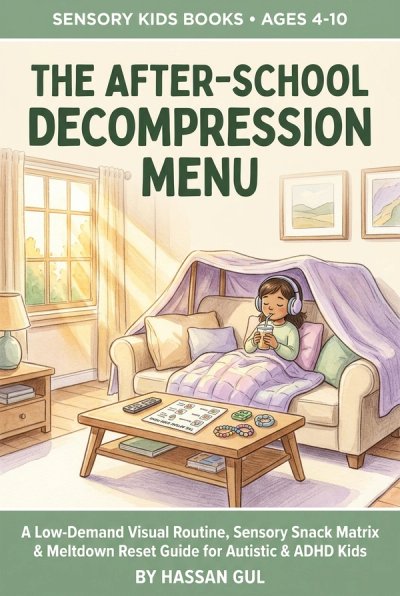 Instant PDF
The After-School Decompression Menu
A Low-Demand Visual Routine, Sensory Snack Pairing Matrix & Meltdown Reset Guide for Autistic & ADHD Kids
Recommended Sensory Products
Carefully curated products for a sensory-friendly environment.
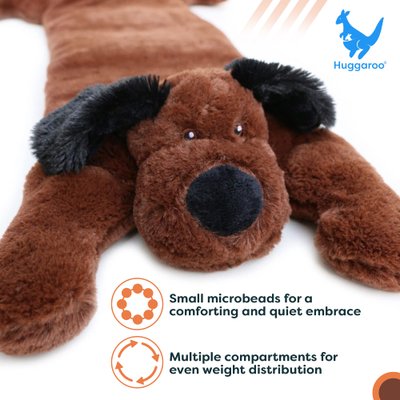
Huggaroo Weighted Sensory Lap Dog for Kids
Best Weighted Decompression Friend
A soft, plush weighted lap puppy weighing 3.6 lbs that delivers soothing deep pressure. Ideal for relaxing on the sofa, calming after-school jitters, or resting during quiet reading time.
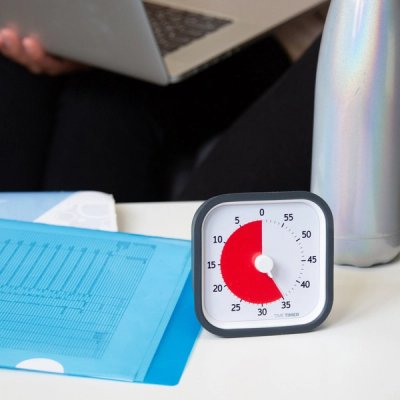
Time Timer MOD 60-Minute Visual Countdown Timer
Best Silent Decompression Timer
The gold standard in quiet visual pacing. Features a silent quartz movement with zero ticking. The vanishing colored disc lets kids see exactly how much "quiet decompression time" they have left without parent nagging.
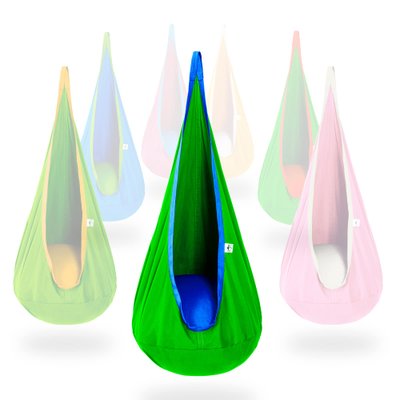
Outree Kids Indoor Sensory Canvas Pod Swing Hammock
Best Indoor Decompression Swing
Heavy-duty 100% cotton canvas sensory swing with inflatable cushion and ceiling hanging kit. Provides an enclosed, comforting cocoon that supports gentle swinging and quiet afternoon relaxation.
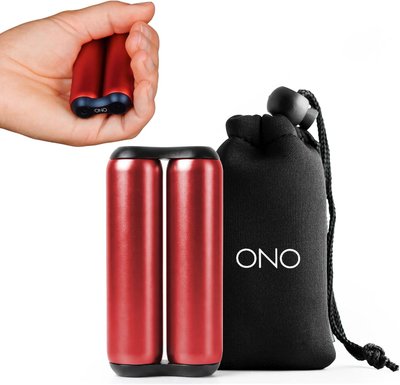
ONO Roller Jr. Silent Handheld Sensory Fidget Tool
Best Silent Tactile Hand Fidget
A sleek, silent tactile handheld roller designed specifically for small hands. Smooth aluminum rollers rotate effortlessly in the palm, satisfying fidgeting impulses without clicking noises or visual distractions.
📚 Evidence-Based Sources & Citations
Peer-reviewed literature, clinical frameworks, and foundational neurodiversity resources referenced in this guide.
- Occupational Therapy Practice Framework: Domain and Process (4th Edition) — American Occupational Therapy Association (AOTA)(2020)View Sourceopen_in_new
- The Polyvagal Theory: Neurophysiological Foundations of Emotions, Attachment, Communication, and Self-Regulation — Dr. Stephen W. Porges, PhD(2011)View Sourceopen_in_new
- Understanding Pathological Demand Avoidance (PDA): Identifying Needs & Low-Demand Approaches — PDA Society UK(2023)View Sourceopen_in_new
- Sensory Processing Issues Explained: Supporting Children with Sensory Sensitivities — Child Mind Institute(2024)View Sourceopen_in_new
Join the Conversation
Get our monthly guide on sensory-aware parenting and neuro-inclusive home design delivered straight to your sanctuary.
Respecting your inbox and your peace of mind.
Leave a Reply
Your email address will not be published. Required fields are marked *