7 DIY Mess-Free Sensory Bags for Toddlers & Preschoolers (Budget Squish Bags with Pantry Staples)
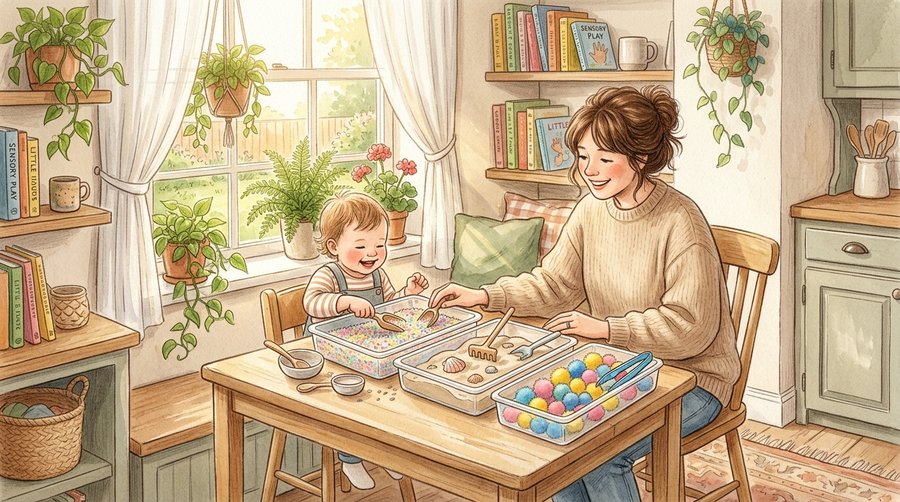
Get all the benefits of sensory play with zero cleanup. Discover 7 budget-friendly DIY sensory squish bags made with zip bags and kitchen staples, plus the 3 golden leak-proof rules.
Editorial Disclosure & Medical Scope: Sensory Kids Books shares neurodiversity-affirming, lived-experience insights and sensory-informed tools for parents, caregivers, and educators. This publication is for educational purposes only and does not constitute formal medical diagnosis, psychiatric evaluation, or clinical occupational therapy advice. Always consult a qualified pediatrician or licensed clinician for individual medical care. As an Amazon Associate, we earn from qualifying purchases through our independent affiliate links at zero extra cost to you.
⚡ Quick Takeaway & Summary for Parents: Sensory play is essential for developing fine-motor dexterity, hand-eye coordination, and self-soothing focus in toddlers and preschoolers—but nobody enjoys scrubbing dried food dye, glitter, and slime out of kitchen floorboards. Sensory squish bags are the ultimate parenting cheat code: they enclose vibrant gels, colored oils, and tactile beads inside heavy-duty zip bags sealed with reinforced tape. Toddlers get all the rich tactile, visual, and squishy exploration of sensory play with 100% mess-free peace of mind and zero post-play clean-up time. Here is how to create 7 budget-friendly DIY sensory bags using simple kitchen pantry staples and basic bathroom supplies.
Every parent has experienced that moment of hesitation: you know your toddler would love fifteen minutes of sensory play—they are getting fussy, restless, and need something engaging to touch—but the thought of pulling out open paint tubs or gooey slime makes you cringe. You can already see the blue handprints on the refrigerator and the sticky paste trampled into the living room rug.
When my own children were toddlers, I wanted them to experience the calming magic of tactile exploration without turning our home into a disaster area. That was when I discovered sensory squish bags. By sealing everyday pantry liquids and tactile craft gems inside heavy-duty freezer bags, you give little hands the irresistible sensation of squishing, tracing, and sliding without a single speck of mess leaking out.
Best of all, you don't need expensive sensory kits from specialty toy stores. With a box of gallon freezer bags, some duct tape, and ordinary kitchen staples like cooking oil, cornstarch, and hair gel, you can assemble a complete set of high-interest sensory squish bags in less than twenty minutes for under $10 total.
The 3 Golden Rules of Leak-Proof Sensory Bags
The single biggest fear parents have with sensory bags is a toddler puncturing the plastic and creating a gel geyser on the sofa. If you follow these three simple construction rules, your sensory bags will survive months of enthusiastic toddler squishing:
Rule 1: Always Use Heavy-Duty Freezer Bags (Never Thin Sandwich Bags): Standard sandwich bags are paper-thin and easily tear along side seams. Always purchase heavy-duty freezer bags with reinforced double-zipper seals (like Ziploc Gallon Freezer Bags). The plastic is more than twice as thick and puncture-resistant.
Rule 2: Push Out 100% of the Air Before Sealing: Air is what causes sensory bags to pop when toddlers lean on them with full body weight. Before sealing the zipper track, lay the bag completely flat on the counter and gently smooth the liquids upward, pressing all trapped air bubbles out through the opening. A vacuum-sealed bag cannot burst.
Rule 3: The "T-Seal" Tape Border Hack: Never rely solely on the plastic zip seal. Fold a strip of colorful duct tape or heavy-duty painter's tape over the top zipper closure. For extra security with younger toddlers who love chewing corners, run tape along all four perimeter edges.
1. The Ocean Sparkle Squish Bag (Visual Calming)
This is the undisputed classic of the sensory bag world. The thick, viscous hair gel suspends glitter and craft gems in mid-air, creating a mesmerizing underwater world that toddlers can press and swirl for twenty minutes straight.
✨ Sensory Bag Idea #1: The Ocean Sparkle Squish Bag (Clear Hair Gel + Blue Food Coloring)
Fill a gallon freezer bag with 1 cup of cheap clear hair gel, 2 drops of blue food coloring, and a tablespoon of craft glitter. Drop in plastic ocean animal beads or blue pony beads. Toddlers use their fingertips to chase the sea creatures across the sea.
Because hair gel retains its structure, objects don't instantly sink to the bottom. Toddlers love guiding fish into underwater "caves" by sliding their thumbs over the bag surface. It provides wonderfully smooth resistive tactile feedback that calms restless energy.
⭐ Recommended Tool: Non-Slip Sensory Play Activity Tray with Raised Lip (Best Tabletop Sensory Station)
Durable, BPA-free activity tray that provides the perfect flat, contained surface for toddler sensory bag exploration. High raised rim prevents bags from sliding off tables and catches stray water drops during assembly.
shopping_cart👉 Check Price on Amazon (paid link)open_in_new
2. The Two-Tone Shaving Cream Color-Mixer (Cause & Effect)
Toddlers are fascinated by color mixing, but giving a 2-year-old bottles of liquid tempera paint is an invitation to chaos. This shaving cream squish bag lets them discover color theory with zero stained hands.
✨ Sensory Bag Idea #2: The Two-Tone Shaving Cream Color-Mixer (Foam Shaving Cream + Washable Tempera Paint)
Squirt two fluffy mounds of basic white shaving cream into opposite bottom corners of a freezer bag. Add 3 drops of yellow paint on the left and 3 drops of blue paint on the right. Seal and tape tightly.
Challenge your toddler to use both hands to knead, mash, and swirl the clouds together. As yellow and blue collide into vibrant emerald green, their eyes light up with pure amazement! The airy, pillowy foam texture feels completely different from liquid gel, giving their tactile senses a fresh experience.
3. The Sunflower Oil & Water Suncatcher (Window Sensory Play)
Take sensory play vertical! Taping a sensory bag to a sunny window changes the play dynamic completely: toddlers must stand upright, engage their core balance, and reach upward toward natural sunlight.
✨ Sensory Bag Idea #3: The Sunflower Oil & Water Window Suncatcher (Vegetable Oil + Tinted Water)
Fill a zip bag with 1/2 cup of baby oil or vegetable cooking oil, followed by 1/2 cup of water tinted with red or turquoise food coloring. Push out all air and tape all four edges securely to a low window at toddler eye level.
Because oil and water never mix, pressing the bag creates hundreds of dancing colored bubbles that separate and regroup as sunlight shines through them like a stained-glass window. It provides an inherently peaceful visual rhythm that helps overtired toddlers reset after a tough afternoon.
⭐ Recommended Tool: Large Washable Silicone Craft Mat with Paint Wells & Brush Rest (Best Spill-Proof Assembly Mat)
Non-stick, heat-resistant food-grade silicone art mat that protects dining tables during sensory bag assembly. Wipes clean in 5 seconds and provides an ideal non-slip backing for floor sensory play.
shopping_cart👉 Check Price on Amazon (paid link)open_in_new
4. The Pom-Pom Maze & Sorter (Fine Motor Precision)
If your child needs practice isolating their index finger for fine motor skills—such as holding crayons or pointing—this interactive sorting bag turns finger isolation into a captivating puzzle.
✨ Sensory Bag Idea #4: The Pom-Pom Color Maze & Sorter (Aloe Vera / Hair Gel + Craft Pom-Poms)
Draw three large colored circles on the front of the bag with permanent marker (Red, Blue, Green). Fill the bag with clear aloe vera or hair gel, and add 12 matching craft pom-poms. Kids slide each pom-pom through the gel into its matching colored circle.
The gel provides just enough resistance that little fingers must press firmly and glide slowly to maneuver the pom-poms around. It builds intrinsic hand muscle strength and visual tracking without feeling like a structured lesson.
5. The Cornstarch Oobleck Squish Bag (Non-Newtonian Science)
Oobleck is one of the most incredible sensory substances on Earth—it acts as a solid rock when tapped quickly, but melts into liquid silk when squeezed gently. Normally, oobleck dries into a powdery mess all over the floor. Inside a sealed bag, it is 100% mess-free.
✨ Sensory Bag Idea #5: The Cornstarch Oobleck Squish Bag (Cornstarch + Water + Food Coloring)
Mix 1 cup of cornstarch with 1/2 cup of warm water and 2 drops of purple food coloring until smooth. Pour into your freezer bag and seal tightly. When toddlers slap the bag, it stays hard; when they press slowly, their hand sinks right through.
This dramatic shift in viscosity provides rich proprioceptive pressure to little hands. Kids love pressing toys, coins, or plastic forks against the outside of the bag to leave temporary solid footprints that melt away seconds later.
⭐ Recommended Tool: Clear Stackable Latching Storage Organizers (3-Pack) (Best Sensory Bag Storage Box)
Durable, BPA-free transparent storage containers with snap-lock latches and carrying handles. Perfect for storing completed DIY sensory squish bags flat between play sessions so they stay clean and ready to grab.
shopping_cart👉 Check Price on Amazon (paid link)open_in_new
6. The "I Spy" Hidden Treasure Rice Bag (Dry Auditory Crunch)
Not all sensory bags need to be gooey! Dry tactile bags offer a satisfying auditory crunch and a completely different sensory texture that is wonderful for quiet time in the car or stroller.
✨ Sensory Bag Idea #6: The "I Spy" Hidden Treasure Rice Bag (Dry Uncooked Rice + Small Toy Trinkets)
Pour 2 cups of dry white rice into a freezer bag. Add 8 small distinct trinkets: a plastic coin, a miniature dinosaur, a big blue button, a dice, and a mini puzzle piece. Take a photo of the items beforehand and tape it to the bag as a checklist.
Toddlers shake, squish, and massage the bag with their thumbs to displace the rice and uncover each hidden treasure. The soothing rustle of the dry grains makes this an ideal calm-down tool for waiting rooms and restaurant tables.
7. The Oatmeal & Cinnamon Scent Bag (Aromatherapy & Texture)
Sensory play often neglects the sense of smell. Scent is intimately linked to emotional regulation and comfort in young children, making a warm, subtly spiced sensory bag a wonderful addition to bedtime routines.
✨ Sensory Bag Idea #7: The Oatmeal & Cinnamon Scent Bag (Rolled Oats + Ground Cinnamon)
Combine 1.5 cups of dry rolled oats with 1 teaspoon of ground cinnamon and a few dried bay leaves. Seal the bag with heavy-duty tape, then use a tiny pin to prick 3 micro-holes in the top corner (small enough that no dust escapes, but scent wafts through).
As your toddler crunches and kneads the soft oat flakes, a cozy, bakery-fresh aroma fills the room. It feels warm and comforting to squeeze, making it an ideal tactile transitional object when winding down before bed.
⭐ Recommended Tool: Heavy-Duty Over-the-Door Clear Pocket Hanging Organizer (Best Vertical Sensory Wall Organizer)
24 deep clear PVC pockets mounted on durable fabric. Hang on the inside of a playroom or closet door to store all your DIY sensory bags vertically at toddler eye level for independent choice.
shopping_cart👉 Check Price on Amazon (paid link)open_in_new
3 Clever Ways to Present Sensory Bags to Toddlers
How you present a sensory bag is just as important as what is inside it. Here are three tested setups that keep bags secure and maximize engagement:
1. The High-Chair Tape-Down: If you have a 12-to-18-month-old who tends to throw objects onto the floor, tape all four corners of the sensory bag securely to their high-chair tray using blue painter's tape. They can slap, press, and drag their fingers across it for twenty minutes without dropping it once.
2. The Sliding Glass Door Gallery: Mount three different sensory bags side-by-side on a low patio door or full-length mirror. Standing at vertical surfaces promotes bilateral coordination, shoulder stability, and wrist extension essential for early handwriting.
3. The Tummy Time Floor Pad: For younger toddlers, tape a sensory bag flat to a smooth hardwood or tile floor during tummy time or floor play. It provides a squishy, intriguing target that motivates babies to push up onto their forearms.
📋 Autism & ADHD Visual Daily Routine Pack (Printable Kit)
Want to build predictable sensory play breaks, chore sliders, and calm-down habits into your toddler's day? Our complete printable routine pack includes 80+ illustrated visual tiles covering morning routines, sensory playtime, quiet downtime, and bedtime calming.
👉 Download the Visual Daily Routine Pack ($7.99 / $14.99)
Plan Your Toddler's Daily Sensory Rhythm for Free
Every child thrives when energetic movement and quiet tactile play are balanced smoothly throughout the morning and afternoon. Use our free interactive web tools to design a personalized daily routine:
Generate a customized, printable daily schedule using our free interactive tool: the Visual Daily Routine Schedule Generator.
To build calming tactile sensory bags, movement breaks, and quiet creative corners into your child's day, explore our free Sensory Diet Schedule Generator.
📋 The ADHD & PDA Anti-Planner: Visual Executive Function Workbook
For older kids, tweens, and parents who love creative tactile learning but freeze when facing rigid schedules. Features dopamine-menu task organizers, low-demand pacing checklists, and creative visual break trackers.
👉 Explore The ADHD Anti-Planner ($8.99)
Joyful Sensory Play Without the Parenting Stress
Parenting young children is messy enough on ordinary days without inviting unnecessary glitter disasters into your living room. Sensory squish bags prove that you don't have to choose between keeping a clean home and giving your children rich, stimulating childhood experiences.
Spend fifteen minutes assembling a few bags with your toddler this weekend, tape them down to the kitchen table or a sunny window, and watch their curiosity blossom. It is simple, affordable, zero-stress fun that brings calm smiles to both kids and parents alike.
 Instant PDF
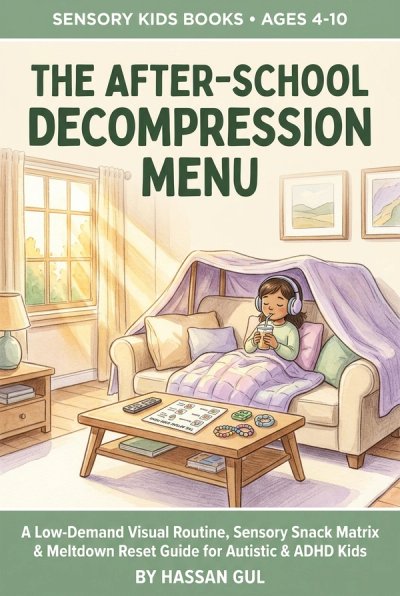
The After-School Decompression Menu
A Low-Demand Visual Routine, Sensory Snack Pairing Matrix & Meltdown Reset Guide for Autistic & ADHD Kids
Recommended Sensory Products
Carefully curated products for a sensory-friendly environment.
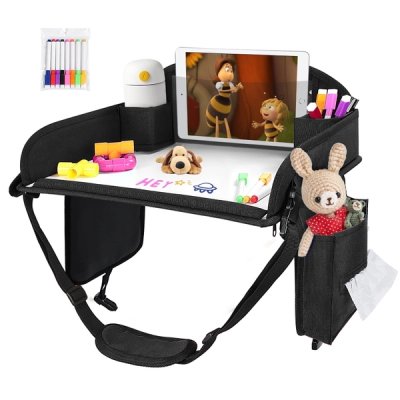
Non-Slip Sensory Play Activity Tray with Raised Lip
Best Tabletop Sensory Station
Durable, BPA-free activity tray that provides the perfect flat, contained surface for toddler sensory bag exploration. High raised rim prevents bags from sliding off tables and catches stray water drops during assembly.
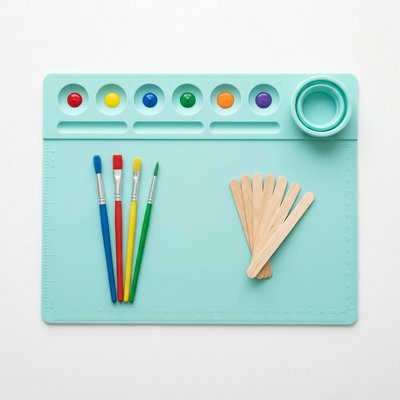
Large Washable Silicone Craft Mat with Paint Wells & Brush Rest
Best Spill-Proof Assembly Mat
Non-stick, heat-resistant food-grade silicone art mat that protects dining tables during sensory bag assembly. Wipes clean in 5 seconds and provides an ideal non-slip backing for floor sensory play.
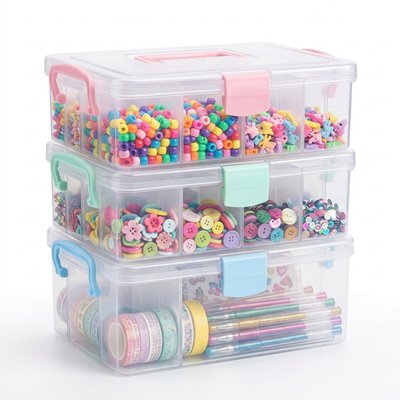
Clear Stackable Latching Storage Organizers (3-Pack)
Best Sensory Bag Storage Box
Durable, BPA-free transparent storage containers with snap-lock latches and carrying handles. Perfect for storing completed DIY sensory squish bags flat between play sessions so they stay clean and ready to grab.
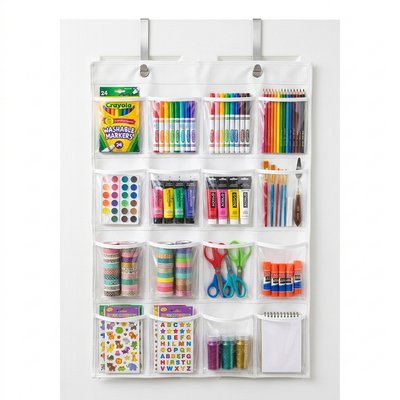
Heavy-Duty Over-the-Door Clear Pocket Hanging Organizer
Best Vertical Sensory Wall Organizer
24 deep clear PVC pockets mounted on durable fabric. Hang on the inside of a playroom or closet door to store all your DIY sensory bags vertically at toddler eye level for independent choice.
📚 Evidence-Based Sources & Citations
Peer-reviewed literature, clinical frameworks, and foundational neurodiversity resources referenced in this guide.
- Occupational Therapy Practice Framework: Domain and Process (4th Edition) — American Occupational Therapy Association (AOTA)(2020)View Sourceopen_in_new
- The Polyvagal Theory: Neurophysiological Foundations of Emotions, Attachment, Communication, and Self-Regulation — Dr. Stephen W. Porges, PhD(2011)View Sourceopen_in_new
- Understanding Pathological Demand Avoidance (PDA): Identifying Needs & Low-Demand Approaches — PDA Society UK(2023)View Sourceopen_in_new
- Sensory Processing Issues Explained: Supporting Children with Sensory Sensitivities — Child Mind Institute(2024)View Sourceopen_in_new
Join the Conversation
Get our monthly guide on sensory-aware parenting and neuro-inclusive home design delivered straight to your sanctuary.
Respecting your inbox and your peace of mind.
Leave a Reply
Your email address will not be published. Required fields are marked *